


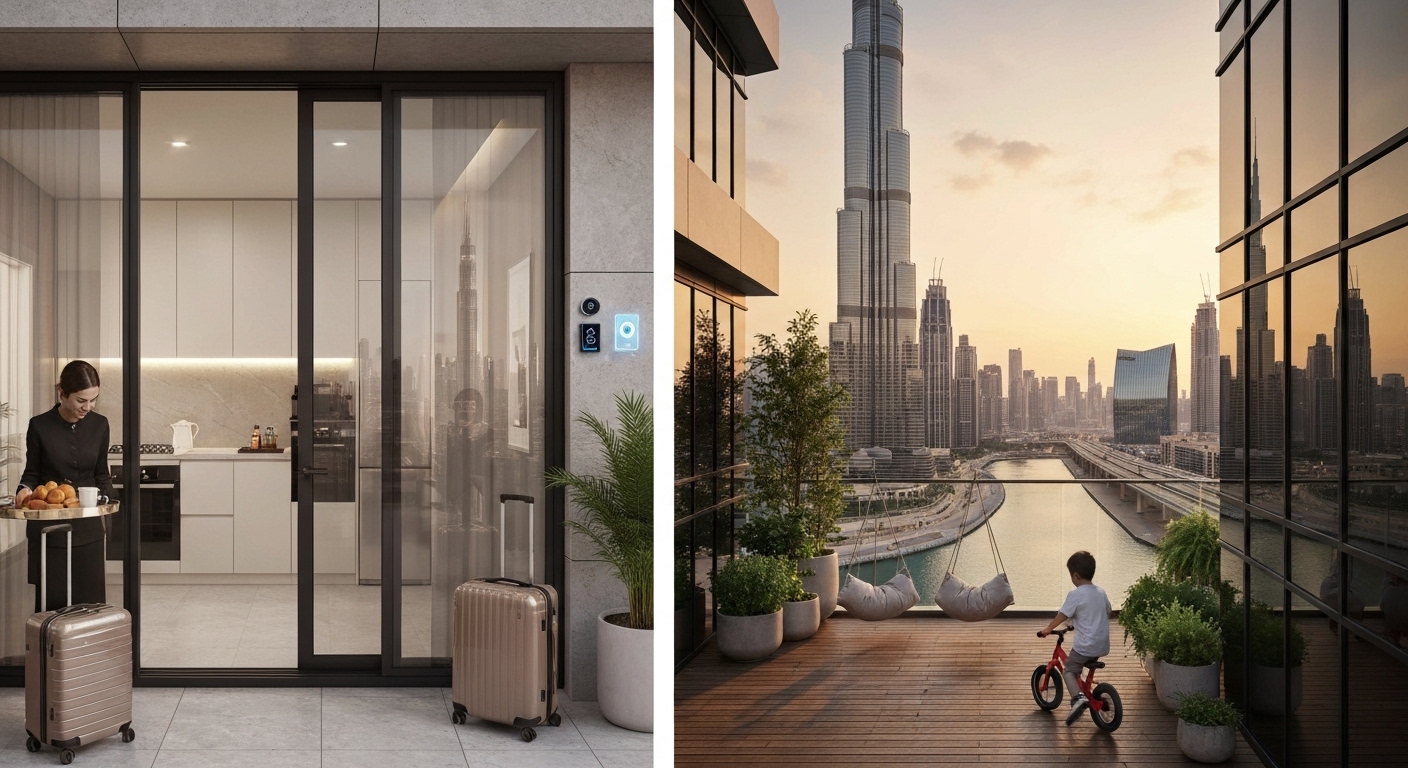
Unlocking strong returns in Dubai’s thriving property market requires understanding the difference between long-term and short-term rental yield strategies for 2025. This article answers the exact query “long term vs short term rental yield Dubai 2025,” breaking down projected yields, risks, and actionable insights specific to the city’s investment landscape.
Understanding Rental Yield: The Basics for Dubai Investors
Rental yield is a crucial metric for assessing real estate returns in Dubai, providing a percentage of annual rental income relative to the property’s value. Investors seeking to maximize ROI in 2025 must distinguish between long-term rentals—typically involving annual or multi-year lease agreements—and short-term rentals, often managed through platforms like Airbnb and targeted at tourists and business travelers. Both strategies offer distinct benefits.
Dubai’s rental yield averages tend to be more robust than global residential property markets thanks to sustained demand from the city’s large expatriate population, business hubs, and tourism sector. The yield variance largely depends on rental strategy, property location, and market trends.
Dubai’s Short-Term Rental Market in 2025: Opportunities and Challenges
Short-term rentals in Dubai are expected to maintain high demand in 2025, powered by the city’s status as a global tourism and events destination. With major developments in areas such as Dubai Marina, Downtown Dubai, and Business Bay, property owners have significant opportunities to attract short-stay tenants.
The key advantages include:
– Potential for higher rental yields: Short-term rentals often generate 10–15% higher yields compared to long-term leases, especially in tourist-centric neighbourhoods during peak seasons.
– Flexibility: Owners can adjust pricing dynamically and use the property personally during vacant periods.
However, challenges persist:
– Occupancy volatility: Short-term rentals are susceptible to seasonality, with vacancy rates spiking outside major tourism periods.
– Regulatory compliance: The Dubai government requires all short-term lets to be registered with the Dubai Department of Economy and Tourism; licensing and management fees can impact profitability.
– Management intensity: Short-term properties typically require more hands-on management or third-party services.
Dubai’s Long-Term Rental Market in 2025: Stability vs. Growth Potential
Long-term rentals remain a foundational pillar in Dubai real estate, particularly in family-oriented communities like Jumeirah Village Circle, Al Barsha, and Discovery Gardens. For 2025, experts anticipate steady demand as the population grows and more expatriates seek year-round accommodations.
Key benefits include:
– Income stability: Fixed, predictable cash flow over 12-month+ contracts provides clarity for investors planning their finances.
– Lower turnover: Long-term tenants reduce vacancy risk and minimize operational burdens like cleaning and marketing.
– Regulatory safeguards: Tenant rights and landlord obligations are governed by Dubai’s robust tenancy laws.
Long-term yields are predicted to remain in the 6–8% range in 2025, depending on location, with affordable communities often recording above-average returns. While these yields may not match peak short-term rates, they provide consistency and protection against off-peak volatility.
Example: Rental Yield Comparison in Dubai Marina
Dubai Marina, a prime investment hotspot, illustrates the difference in strategy outcomes. Short-term rental yields here in 2025 are projected to reach 8–11% due to sustained tourist demand, while long-term rental returns average 6–7%—more stable, but with lower upside risk.
Comparative Analysis: Long-Term vs. Short-Term Rental Yields in 2025
Investors choosing between long-term and short-term letting in Dubai for 2025 must weigh risk tolerance against yield expectations. Short-term rentals can outperform long-term rentals by up to 2–4% in gross yield, particularly in high-traffic locations during peak seasons. However, this comes at the expense of higher volatility and management complexity.
Long-term leases remain an attractive option for those prioritizing stable, predictable income—especially in price-sensitive districts where tenant retention is high. For many, the optimal solution combines both approaches: diversifying by property type and location to balance return and risk across seasons.
Conclusion
For 2025, the choice of long-term versus short-term rental yield in Dubai depends on investor goals and risk appetite. Short-term rentals offer higher potential returns and flexibility, attractive in prime tourist destinations, while long-term rentals deliver reliable income with lower day-to-day management. To make an informed decision for your Dubai property, review your investment timeline, cash flow needs, and target neighbourhood, and always stay updated on current regulations. For tailored advice on Dubai’s evolving rental market, contact Danube Properties to learn more.