


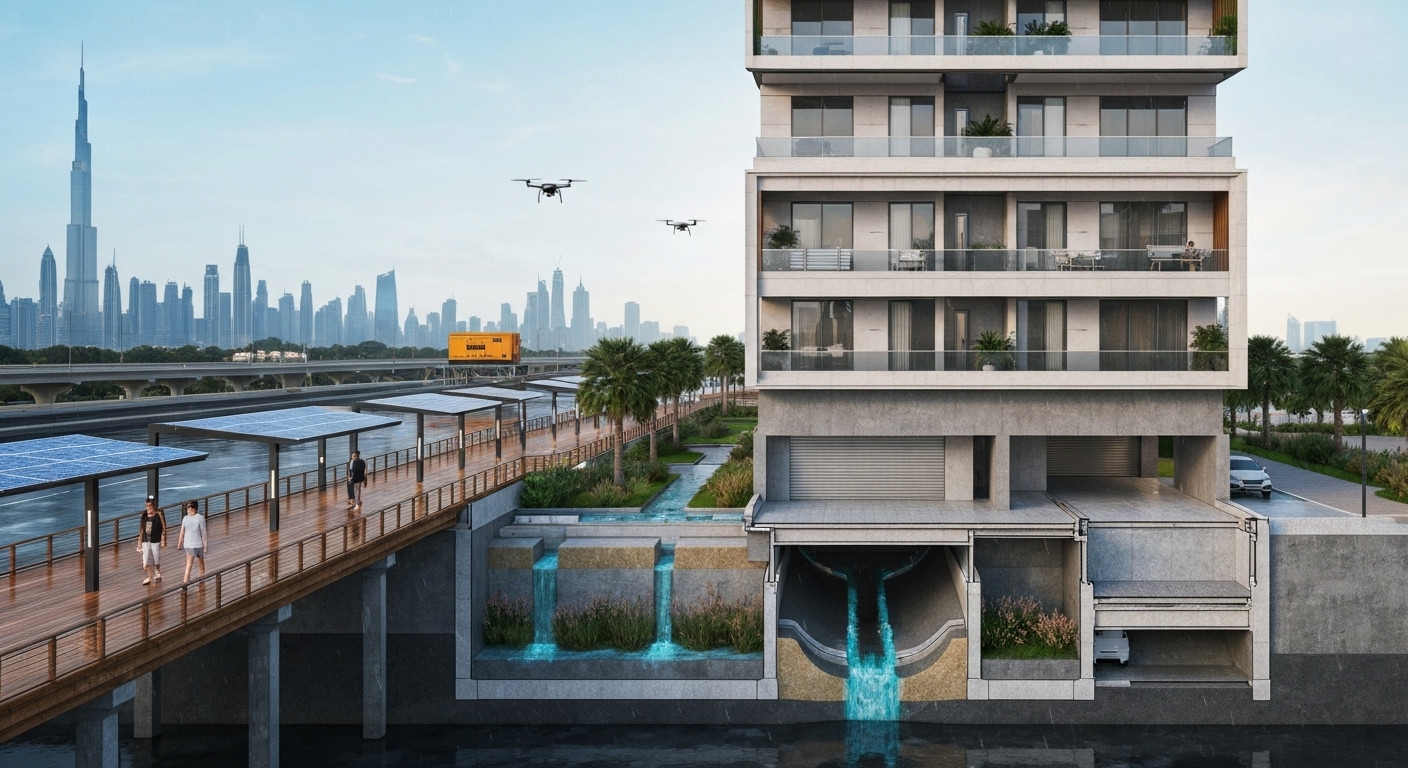
As extreme weather events become increasingly common worldwide, the construction industry faces an urgent challenge: creating apartment buildings that can withstand and recover from flooding. For property developers and investors, flood-resilient construction isn’t just about safety—it’s about protecting long-term investment value and ensuring resident security in an unpredictable climate.
Understanding the Rising Threat: Why Flood Resilience in Apartments Matters
Flooding represents one of the most devastating natural disasters for residential properties, causing billions in damage annually across global markets. Modern apartment developments must anticipate and mitigate these risks from the ground up. The financial impact extends beyond immediate damage repair to include lost rental income, decreased property values, and potential legal liabilities.
Climate data indicate that flood frequency and intensity continue to increase, making resilient design a necessity rather than an option. For apartment investors, buildings that can quickly recover from flood events maintain occupancy rates and preserve asset value, while non-resilient properties may face prolonged vacancies and costly retrofitting.
Key Considerations Before Construction: Site Selection and Risk Assessment
Strategic site selection forms the foundation of flood-resilient apartment construction. Developers must conduct comprehensive flood risk assessments that analyze historical data, drainage patterns, and future climate projections. Properties positioned near transportation infrastructure and elevated locations naturally offer better protection while maintaining accessibility.
Successful developments integrate early warning systems and rapid response mechanisms into their design planning. This proactive approach ensures that both construction teams and future residents can respond effectively to flood threats. Advanced risk detection systems enable timely evacuations and protection of critical building systems.
Foundation for the Future: Building Strong and Water-Resistant Bases
Elevated foundations represent the primary defense against flood damage in apartment construction. Modern techniques include reinforced concrete foundations raised above projected flood levels, with integrated water barriers and drainage systems. These foundations must support multi-story structures while providing effective water resistance.
Proper foundation design incorporates flood-resistant materials throughout the basement and ground-level areas. Waterproof membranes, specialized concrete mixtures, and strategic placement of utilities above flood levels ensure that essential building systems remain functional even during significant water events.
Beyond the Walls: Resilient Materials and Design for Flood Protection
Contemporary flood-resistant construction utilizes advanced building materials specifically engineered for water exposure. These include moisture-resistant insulation, antimicrobial treatments, and quick-drying wall systems that prevent mold growth after flooding events.
Building design must incorporate multiple water management strategies, including elevated electrical systems, flood-resistant exterior materials, and strategic architectural features that direct water away from the structure. Green building technologies often complement flood resistance, creating developments that are both environmentally sustainable and disaster-resilient.
Interior Safeguards: Protecting Apartment Interiors from Water Damage
Interior flood protection focuses on rapid water removal and damage prevention. Modern apartment designs feature elevated utility connections, water-resistant flooring materials, and modular furnishing systems that can be quickly protected or replaced.
Smart drainage systems within apartment units enable rapid water evacuation, while advanced materials in kitchens and bathrooms resist water damage. Built-in storage solutions protect resident belongings, and emergency power systems maintain essential services during and after flood events.
Advanced Technologies for Flood Preparedness and Recovery
Artificial intelligence and smart building technologies revolutionize flood response in modern apartment developments. Automated systems can detect rising water levels, activate protective barriers, and coordinate emergency responses without human intervention.
These technologies include real-time monitoring systems, automated utility shutoffs, and integrated communication networks that keep residents informed during emergencies. Smart home automation can protect individual units by automatically securing vulnerable areas and activating emergency protocols.
Future-Proofing Your Investment: The Long-Term Value of Resilient Apartment Construction
Flood-resilient apartment construction delivers substantial long-term value through reduced insurance costs, maintained occupancy rates, and enhanced property values. These buildings attract quality tenants who prioritize safety and reliability, creating stable rental income streams.
The initial investment in resilient construction technologies pays dividends through reduced maintenance costs, faster post-flood recovery, and compliance with evolving building codes. As climate risks increase, resilient apartments will command premium rents and maintain their value in competitive markets.
Forward-thinking developers recognize that flood resilience isn’t just about surviving the next storm—it’s about creating lasting value in an uncertain world. By implementing comprehensive flood protection strategies, apartment developments become beacons of stability and security for residents and investors alike.