


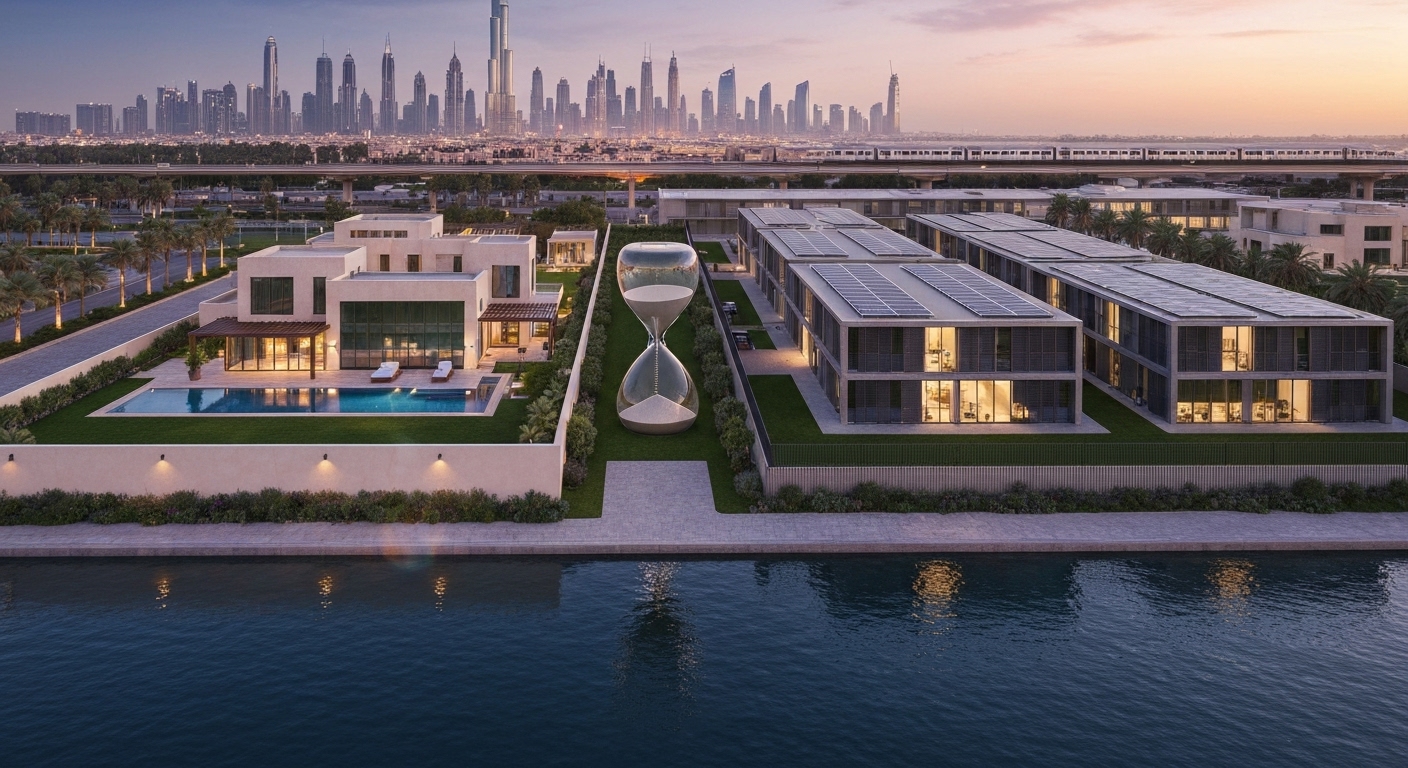
Understanding the difference between freehold and usufruct property in Dubai is essential for any investor looking to make an informed decision in this dynamic market. In this article, we’ll clearly define each ownership structure, explain its implications, and guide you on which option best suits your investment goals in Dubai’s fast-evolving real estate landscape.
Understanding Property Ownership in Dubai: A Primer
Dubai has established itself as a global real estate destination, welcoming both local and foreign investors with modern infrastructure, high safety standards, and a cosmopolitan lifestyle. A key feature of Dubai’s property market is the variety of ownership types available, particularly freehold and usufruct properties. Understanding these legal concepts—and how they apply in neighborhoods such as Arjan or near the Dubai Metro—gives buyers and investors confidence and security as they enter the market.
What is Freehold Property in Dubai?
Freehold property in Dubai provides buyers with absolute ownership of the property and the land it stands on. This means the owner can sell, lease, or inherit the asset with almost no restrictions. Freehold areas in Dubai, like Dubai Marina, Downtown Dubai, or Arjan, have attracted residents and non-resident investors alike due to this flexibility and the right to full control.
For expatriates, freehold ownership was a landmark change that opened Dubai’s property investment sector to the world. Owners can register their properties with the Dubai Land Department, receive a title deed, and resell or bequeath their asset freely. This makes freehold an attractive choice for investors seeking security and long-term value in Dubai’s thriving market.
Delving into Usufruct Property Rights in Dubai
Usufruct is a lesser-known form of property right but remains significant, especially for certain types of investors or business users. Usufruct grants the right to use and benefit from a property owned by someone else, for a specific period—often up to 99 years. Holders can occupy, lease, or even make improvements to the property, but do not own the land or the underlying structure itself.
This means a usufructuary cannot sell the property; the asset reverts to the original owner at the end of the contract. Usufruct agreements are prevalent in select developments and commercial property arrangements where flexibility and time-bound access are more crucial than outright ownership.
An Example: Usufruct in Practice
Consider an international school or hospital in Dubai leasing a plot in Al Barsha under a 50-year usufruct agreement. The institution operates freely, renovates, and subleases sections of the property, but ultimately the land returns to the master developer. This model is also common in industrial or specialized hospitality zones.
Freehold vs. Usufruct: Key Differences at a Glance
– Ownership duration: Freehold is perpetual; usufruct has a fixed term (20–99 years, typically).
– Rights: Freehold grants full rights to sell, lease, renovate, and transfer. Usufruct allows use, leasing, and improvements—but not sale or permanent transfer.
– Land and title: Freehold provides a title deed in the buyer’s name, secured at the Dubai Land Department. With usufruct, the deed remains with the original owner.
– Investment suitability: Freehold suits long-term residents and those who want maximum flexibility; usufruct is ideal for businesses, institutions, or those seeking time-limited occupation.
Choosing the Right Ownership: Freehold or Usufruct for Your Dubai Investment?
Your choice depends on your investment timeline, intended use, and appetite for control. If you’re an investor seeking capital appreciation and generational transfer, freehold areas like Arjan or Dubai Marina offer straightforward benefits. For businesses or institutions looking for operational bases without permanent land acquisition, usufruct delivers flexibility and often lower upfront costs.
Legal and Financial Implications of Each Ownership Type
Buyers of freehold properties in Dubai enjoy the protection and certainty of having their asset officially registered, with the ability to obtain residency visas (subject to prevailing government criteria). They are responsible for maintenance, service charges, and must comply with homeowners’ association rules.
Usufruct holders, meanwhile, typically pay for the use and upkeep of the property but are spared some of the regulatory complexities and initial purchase costs. At lease end, any improvements generally belong to the property owner unless otherwise stipulated. Both types of ownership fall under Dubai’s robust regulatory framework designed to balance investor security and market flexibility.
Expert Advice for Property Investors in Dubai
Navigating property ownership structures is a key step in maximizing returns and minimizing risks in Dubai’s real estate market. Freehold and usufruct each serve distinct investor profiles, reflecting Dubai’s openness to global capital and diverse investment strategies. For tailored guidance, consult with experienced local professionals and always confirm the latest regulatory updates.
In summary, the difference between freehold and usufruct property in Dubai centers on ownership duration, rights, and flexibility.