


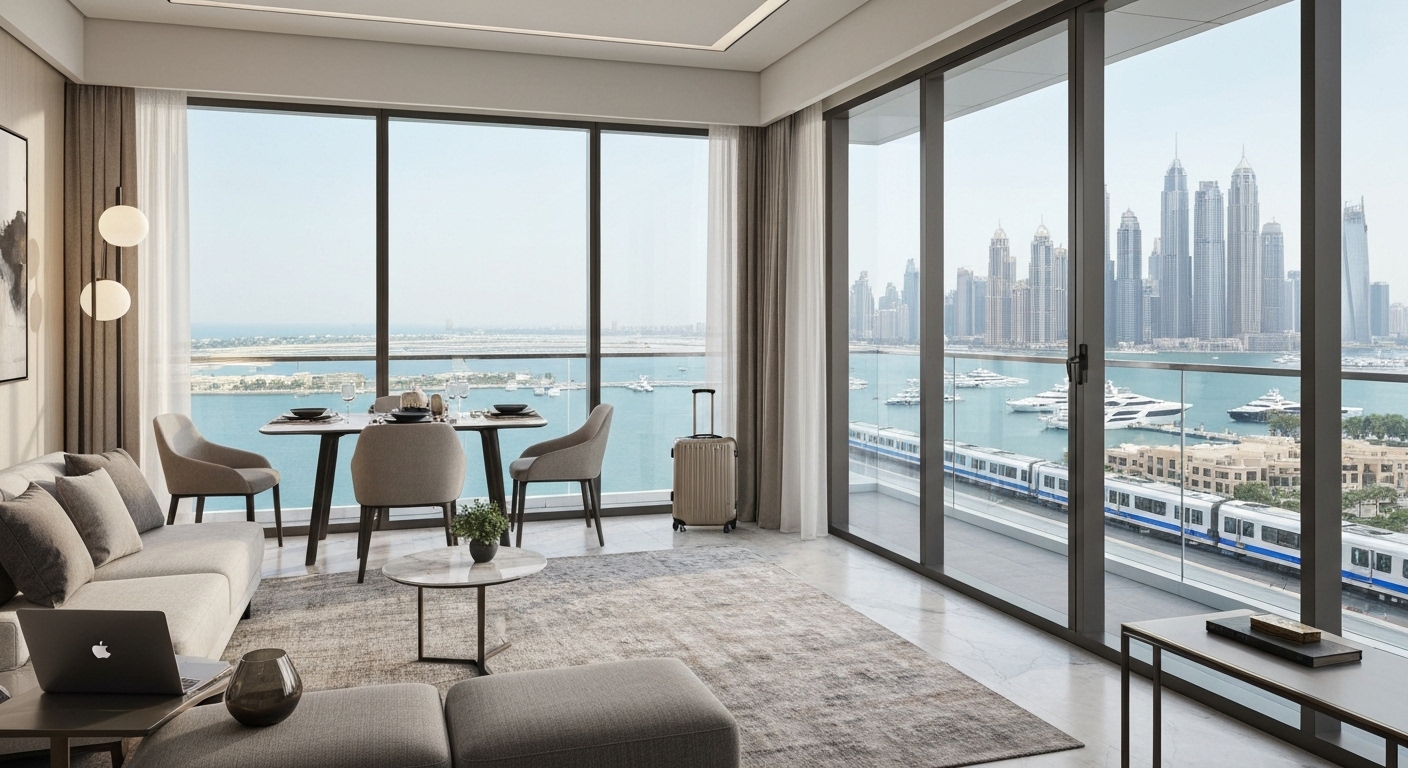
If you are weighing whether to buy a furnished apartment in Dubai vs an unfurnished one for optimal rental yield, you’re not alone. Investors across the city are constantly comparing these options, seeking the best balance of returns, tenant stability, and operational costs. This article examines both routes—using real Dubai rental yield data—so you can confidently maximize returns on your Dubai property portfolio.
Understanding Rental Yield in Dubai’s Property Market
Dubai has earned a reputation as a reliable source of strong rental yields, consistently outperforming global cities like London and New York. In 2025, average gross yields in established areas are hovering between 5-6%, while emerging communities can see 6-8%, with specialized short-term rental properties reaching up to 10%. This exceptional yield profile is driven by Dubai’s dynamic expat population, robust infrastructure, and business-friendly environment, making it a preferred choice for landlords and investors.
Transaction volumes continue to soar, with over 32,000 property transactions valued at AED 84 billion recorded in the first quarter of 2025—an 18% year-on-year increase. This buoyancy underlines the market’s potential for reliable rental income and long-term appreciation.
The Case for Furnished Apartments: Higher Rents, Shorter Vacancies
Furnished apartments in Dubai often command a rental premium of 20–30% over their unfurnished counterparts. This higher earning potential directly translates to better ROI, especially in areas popular with expats or short-term tenants, such as Downtown Dubai, Jumeirah Village Circle (JVC), and Dubai Marina.
For the growing segment of international professionals and families arriving in the city with limited possessions, move-in-ready convenience is a significant draw. That means landlords offering stylish, turnkey spaces not only achieve higher rents but also minimize vacancy periods. In competitive, transient neighborhoods—especially those catering to corporate lets and short-term rentals—a well-furnished home is a decisive advantage.
Dubai’s stringent regulatory environment further bolsters landlord confidence: RERA escrow accounts and warranty coverages on new developments ensure properties meet strict quality standards, attracting high-value tenants and reducing potential disputes.
Real-World Example: Rental Premiums in Action
Consider a two-bedroom apartment in Business Bay. An unfurnished unit may fetch around AED 80,000 annually, whereas a similarly sized, fully furnished option could command AED 95,000–100,000 per year—demonstrating the typical 20–25% premium for quality fit-outs in sought-after areas.
The Appeal of Unfurnished Apartments: Lower Upfront Costs, Stable Tenants
Unfurnished apartments will generally involve less upfront outlay for investors, as there’s no need to purchase furniture, white goods, or décor packages. This also means reduced exposure to wear, tear, and ongoing replacement costs over time.
Moreover, tenants attracted to unfurnished properties often sign longer leases, translating into lower turnover and greater income stability. Typically, families and long-term residents prefer the flexibility to decorate and fit out their own spaces. In quiet suburban hubs such as Al Barsha, Arabian Ranches, or Discovery Gardens, this demographic prevails—supporting consistent occupancy for landlords and mitigating the costs of frequent re-letting.
Cost Analysis: Furnishing Expenses vs. Rental Premium
The decision to invest in a furnished vs unfurnished apartment hinges on the interplay between furnishing costs and the expected rental premium. Outfitting a quality two-bedroom in Dubai to contemporary standards can cost from AED 40,000–60,000, depending on design choices and the scope of included appliances. While this cost is substantial, the higher rental premium can offset the investment within two to three years, especially in neighborhoods with robust demand for turnkey homes.
However, investors should also budget for periodic refreshes to maintain the appeal of furnished units in a competitive market—a factor that impacts net yields.
Tenant Demographics and Their Impact on Your Choice
Understanding the target tenant segment is essential. Furnished apartments appeal most to short-term renters, business travelers, and newly arrived expats who prioritize flexibility. Unfurnished units attract long-term, settled residents who offer more stability and are willing to commit to annual renewals.
Factors Beyond Rental Yield: Maintenance, Wear and Tear, and Management
A furnished apartment requires more intensive management, from handling wear and tear on furnishings to providing prompt responses to tenant concerns. Landlords must factor in higher initial and replacement costs, as well as a greater need for hands-on administration or professional property management services.
Unfurnished properties generally see less wear, simplifying maintenance and reducing overall risk for investors focused on passive income.
Making the Right Investment Decision for Your Dubai Property
To answer the question—buy furnished apartment Dubai vs unfurnished for rental yield—consider your investment goals, preferred level of involvement, and target tenant profile. Furnished units deliver higher gross yields and minimize vacancy in popular urban hubs, justifying the extra outlay. Unfurnished apartments, meanwhile, offer steadier tenants and lower operational costs, ideal for long-term, lower-maintenance investing.
Leverage Dubai’s robust real estate market to align your strategy with your financial objectives and local demand. Contact Danube Properties to learn more about market opportunities and investment-ready projects across Dubai.