


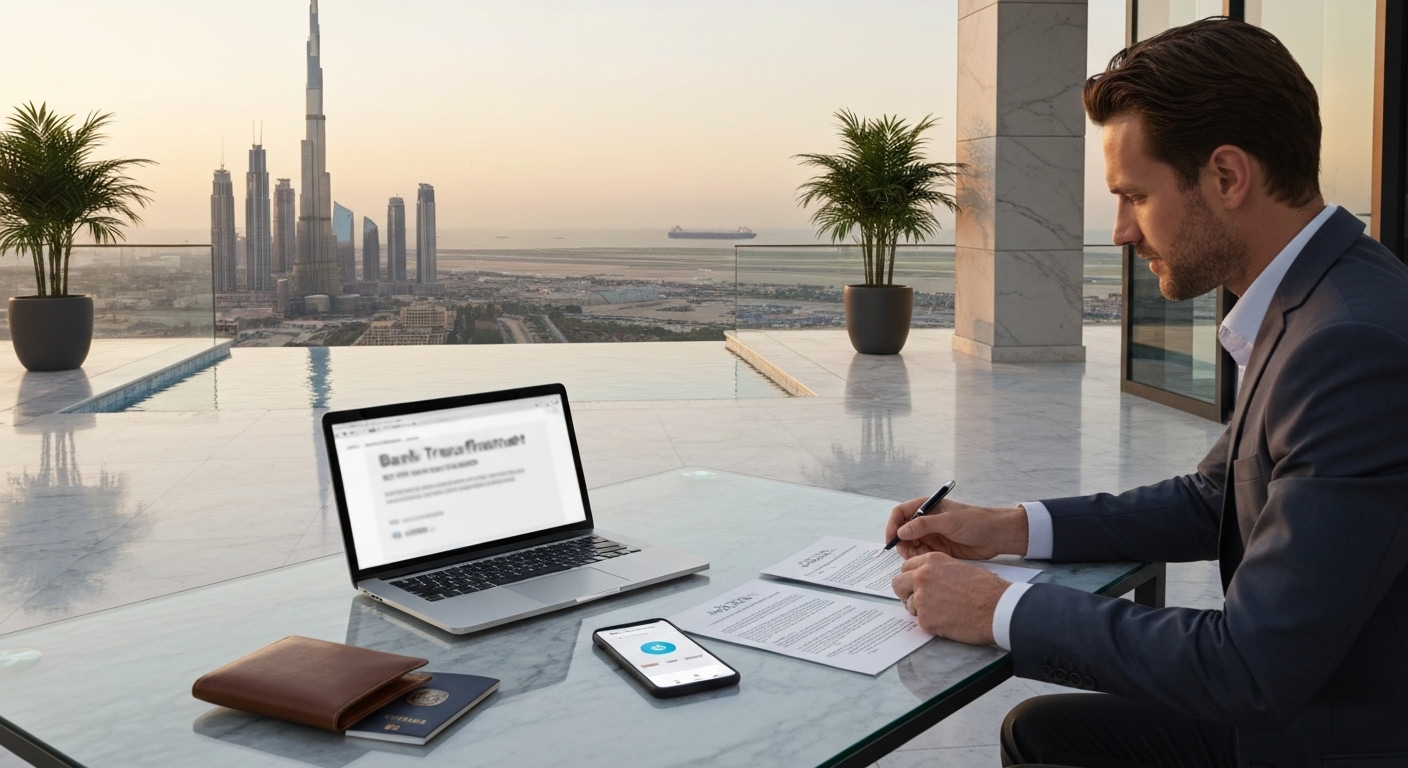
If you are searching for guidance on how to sell Dubai property and repatriate funds to South Africa, you are not alone. Many South African expatriates and investors in Dubai face this challenge, requiring a clear understanding of legal steps, financial processes, and tax implications. This guide will break down every critical step, from navigating Dubai’s property sale process to ensuring your money returns to South Africa smoothly and compliantly.
Understanding the Dubai Property Selling Process: Key Steps for Expats
Dubai’s property market is a magnet for global investors, including Africans seeking stability, strong regulatory frameworks, and ease of entry. As a South African property owner, your first step is to determine your property’s market value, either by consulting with a reputable estate agent or using a certified property evaluator. Pricing accurately ensures a faster sale.
Prepare all necessary ownership documents: your Title Deed, passport copy, and the No Objection Certificate (NOC) from the developer (if you invested in their portfolio). After listing, most buyers will require a deposit and sign a Memorandum of Understanding (MOU) that sets the transaction terms.
Finalizing the deal requires a visit to the Dubai Land Department. Both buyer and seller, or their legal representatives with power of attorney, must be present for the transfer of ownership. Fees—typically 2% of the sale value—are usually paid here. Once the buyer’s payment is secured, the Title Deed is transferred to the new owner, and you’re ready for the next step.
Navigating Financial Regulations: Repatriating Funds from UAE to South Africa
Repatriating funds after selling your Dubai property involves more than a simple transfer. UAE banking regulations require proof of the legal source of funds, especially for larger amounts typical to property sales (often above the AED 1 million mark). Make sure the payment from your property sale is received in your own name in your UAE bank account. Avoid cash transactions—use secure bank transfers to maintain a clear audit trail.
South African Reserve Bank (SARB) rules require declaring all foreign earnings. Before repatriating, you should work with your bank’s international transfer team to prepare evidence, such as your property sale contract, sale proceeds confirmation, and proof of original capital exported from South Africa (if applicable). Transfers above certain thresholds may require additional SARB reporting, so clarify these with your local and South African banks ahead of time.
Example: Transferring AED Proceeds Efficiently
Suppose you sold an apartment near Jumeirah Village Circle for AED 2 million. After closing, your bank will likely ask for the sales contract, the transfer deed, and your original purchase slip. Working with a bank offering specialized expat services can help streamline this, minimizing delays and ensuring regulatory compliance.
Decoding Tax Implications: Dubai Property Sale and South African Regulations
While Dubai does not levy capital gains tax on property sales, South African residents face different obligations. The revenue from your Dubai property sale may be subject to South African capital gains tax (CGT), especially if you remain a tax resident in South Africa.
Determine your residency status early. Expats who formalized tax emigration before selling are generally only taxed on South African-sourced income. However, those who have not may need to declare the capital gain, offsetting any allowable deductions from improvements or transaction costs.
Seek advice from a tax advisor specializing in expat cases to properly structure your transaction and documentation, ensuring audits will run smoothly should SARS request proof.
Choosing the Right Payment Channels: Secure and Efficient Fund Transfers
Dubai’s major banks, including Emirates NBD and Mashreq, regularly facilitate large international transfers for expats. Choose a channel that ensures automatic compliance with anti-money laundering regulations and can convert AED to South African Rand at favorable rates.
Specialized international money transfer services may offer better rates or faster clearances, but always confirm these are approved by both the UAE Central Bank and South Africa’s SARB for cross-border settlements. Opt for digital tracking and full disclosure features-your financial trail will stand up to both governments’ scrutiny.
Essential Documentation for a Smooth Repatriation Process
Meticulous paperwork streamlines your fund transfer:
- Dubai Land Department property sale certificate
- Updated Title Deed
- NOC from the developer (e.g., Danube Properties)
- Sale contract/MOU
- UAE and South African tax numbers
- Proof of the initial property investment, if the funds originated in South Africa
Keep copies handy, as SARB or your bank may request them for up to five years after the transfer.
Common Challenges and Expert Tips for South African Expat Sellers
South African expats often face delays due to incomplete documentation or misunderstood SARB rules. Early engagement with both UAE and South African banks, proactive tax planning, and working with a real estate expert ensure your sale and transfer meet every legal and regulatory requirement.
Your Partner in International Property Transactions
Navigating property investment and resale in Dubai can be streamlined with knowledgeable support. Experienced real estate professionals help guide investors through regulatory requirements, maximize property value, and ensure a smooth process when repatriating proceeds across borders.
In summary, selling Dubai property and repatriating funds to South Africa requires careful planning and proper guidance. With the right steps, professional assistance, and attention to legal details, the transaction can be completed efficiently and in full compliance from start to finish.