


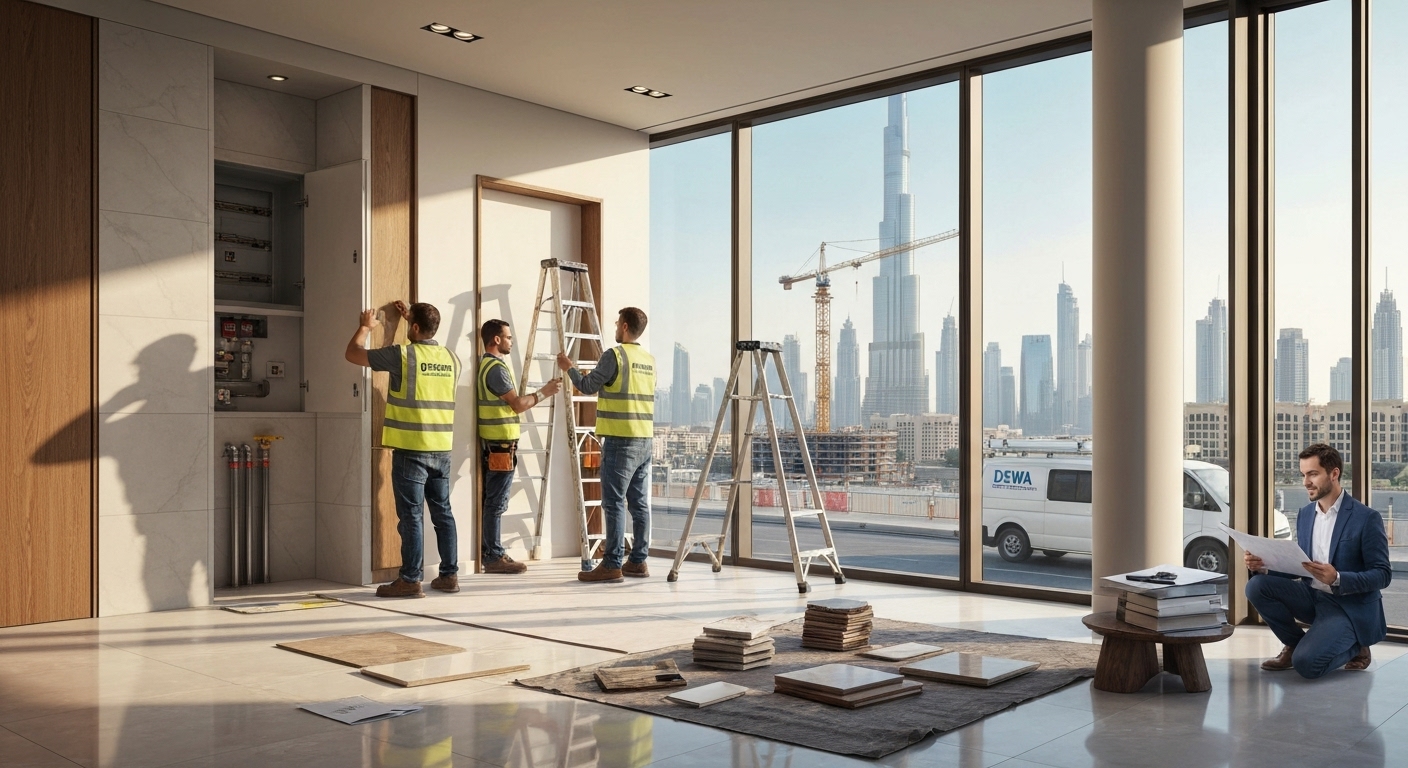
Are you searching for clear rules and a straightforward process for modifying or renovating an apartment in Dubai? Whether you’re an owner, tenant, or investor, understanding local regulations is essential to avoid penalties and complete your renovation smoothly. This guide answers the question—what are the rules for modifying or renovating an apartment in Dubai—while highlighting the key steps, legal requirements, and practical considerations tailored to Dubai’s dynamic property market.
Understanding Renovation Categories: Minor vs. Major Works in Dubai
Apartment renovations in Dubai fall into two main categories: minor and major works. Minor renovations include cosmetic updates like painting, replacing tiles, or changing internal light fixtures. These activities generally do not affect the building’s structure or utilities. Major works, on the other hand, involve more extensive modifications such as removing or adding walls, changing plumbing systems, or altering the apartment’s layout.
Major works almost always require official permissions due to potential impacts on the building’s integrity and safety. Failing to distinguish between these categories can lead to legal complications or fines, particularly in popular Dubai neighborhoods like Jumeirah Village Circle, Downtown Dubai, and Business Bay.
Essential Permits and Approvals Required for Apartment Renovations
Strict rules are in place in Dubai to ensure apartment modifications meet building standards and community guidelines. For most renovations—even simple ones—approval from your building’s management or homeowners association (HOA) is mandatory. Larger projects typically need a No Objection Certificate (NOC) from the developer or HOA, in addition to approvals from the Dubai Municipality (DM) and, depending on the scope, Dubai Electricity and Water Authority (DEWA).
If you rent your apartment, written permission from the property owner is necessary before seeking any building or municipal approvals. In some cases, you may also need to coordinate with service providers or your local community management if you reside in master-planned developments like JLT, Dubai Marina, or Arjan.
Step-by-Step Guide: Navigating the Approval Process
Example: Typical Approval Journey for Apartment Owners
- Initial Concept: Define what work you want to carry out—cosmetic (painting, flooring) or structural (walls, extensions).
- Landlord & HOA Approval: Secure written permission from the owner (if you’re a tenant) and submit your plans to the building’s association or management.
- No Objection Certificate (NOC): Apply for a NOC from the developer or building management. This is mandatory for most work beyond painting or décor.
- Municipal Approvals: For structural changes, submit your plans to the Dubai Municipality. This typically requires detailed drawings and documentation from a licensed contractor.
- Utility Clearance: Coordinate with DEWA if you plan any changes to water or electrical systems, especially in high-rise communities or integrated developments.
- Execution and Inspections: Once permits are granted, work can begin. Inspections may follow, especially for major works or those impacting utilities or safety systems.
- Completion & Sign-Off: After finishing the renovation, secure sign-off from management, ensuring all safety and compliance rules are met before re-occupying or selling.
Costs Associated with Apartment Renovation in Dubai: What to Budget For
Renovation costs in Dubai vary significantly depending on the size of your apartment and the scope of work. Minor cosmetic updates may cost a few thousand AED, whereas major renovations can run into the tens of thousands or more. Always budget for the price of permits (which can range from a few hundred to several thousand AED), contractor fees, insurance, and any potential service interruptions. Costs may also rise in highly sought-after areas, reflecting the standards of luxury expected in communities served by the Dubai Metro or close to attractions like the Dubai Mall. It’s wise to allocate a contingency fund for unexpected expenses.
Common Mistakes to Avoid During Your Apartment Renovation in Dubai
Common pitfalls in Dubai apartment renovations include starting work without proper approvals, using unlicensed contractors, and underestimating the time required for official sign-offs. Avoid shortcuts—working with experienced professionals and adhering strictly to legal guidelines helps prevent costly delays and disputes with building managers or authorities. Trying to DIY complex work can also jeopardize your property’s value and safety.
Choosing the Right Renovation Contractor: Tips for a Smooth Project
Selecting a contractor registered with Dubai Municipality and holding the necessary trade licenses is crucial. Ask for references, review previous projects in Dubai neighborhoods, and make sure they are familiar with both local permit processes and building standards. A reliable contractor can advise on what is feasible, manage documentation, and minimize disruption to your daily life.
Benefits of Renovating Your Apartment with Danube Properties
Danube Properties is recognized for delivering high-quality living environments in Dubai’s prime areas. Renovating with a trusted developer ensures adherence to local rules, timely project completion, and orientation towards maximizing investment value. By applying best practices and focusing on client satisfaction, Danube helps transform apartments into elegant, functional, and compliant urban homes.
In summary, the rules for modifying or renovating an apartment in Dubai are clear: secure the right permissions, engage qualified professionals, and budget for both anticipated and unexpected costs. Following these steps ensures your Dubai apartment renovation not only enhances your living experience but also protects your investment. Contact Danube Properties to learn more about approved renovation processes and value-adding home improvements.