


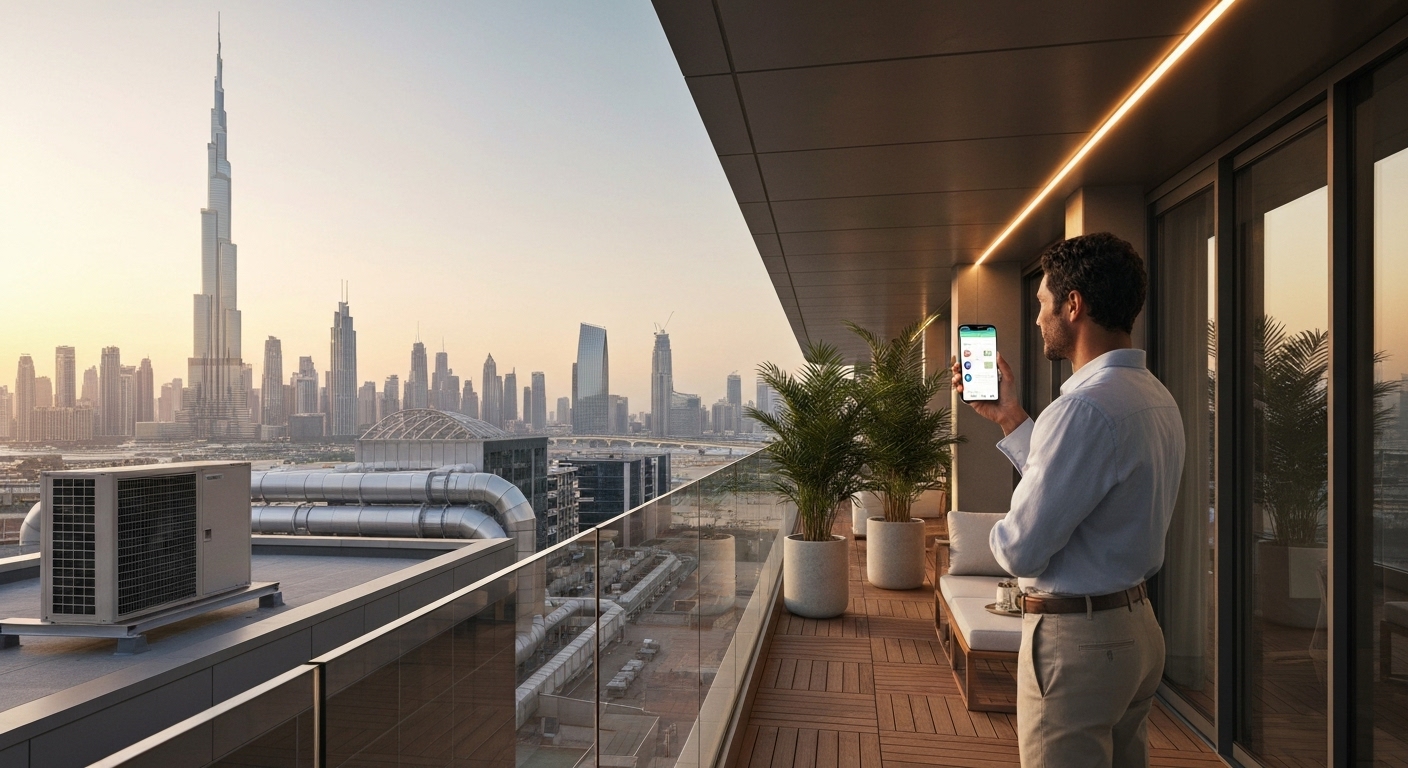
Dubai property cooling and chiller fees explained for tenants vs owners is a common question among both new tenants and experienced property owners in the city. This article breaks down how cooling and chiller fees work, who pays what, and what each system means for your financial planning – whether you are preparing to rent or invest in neighborhoods across Dubai.
Decoding Dubai’s Cooling Systems: Chiller-Free vs. District Cooling
Dubai’s extreme summers make reliable air conditioning essential. In property listings, you will often find “chiller-free” and “district cooling” – each with different implications for tenants and owners.
Chiller-free properties typically mean that the landlord covers the cost of centralized cooling, rolling it into the rent. This offers predictable monthly expenses for tenants but can result in higher base rents.
District cooling, often found in newer developments and high-rises near attractions such as Dubai Marina or Al Jadaf, relies on a centralized plant supplying chilled water to multiple buildings. Here, residents pay separate chiller fees, typically billed independently of rent and other utilities.
Which system a building uses can affect cost, comfort, and even annual budgeting for both tenants and property owners.
Chiller Fees for Tenants: What You Need to Know
For tenants, understanding chiller fees can make a difference when comparing rental offers and planning monthly expenses. In chiller-free buildings, you can expect to pay slightly higher rent but avoid separate monthly cooling invoices. This is attractive for those who prefer budget certainty in their annual housing contract.
In district cooling apartments, tenants receive separate monthly statements for cooling, often based on consumption and connected load. Typical utility costs in Dubai—including electricity, water, and cooling – range from AED 800 to 1,200 per month, though actual chiller fees will depend on usage, apartment size, and local provider tariffs. It’s vital to check if chiller charges are included in rent or require a separate payment when signing a lease.
Additional Charges to Watch
Besides chiller or cooling fees, tenants may also face municipality charges (5% of annual rent collected monthly through the DEWA bill) and minor regulatory fees like Knowledge or Innovation charges (usually around AED 10 per bill). These fees, often overlooked at first, can add up over a year.
Chiller Fees for Property Owners: Understanding Your Financial Responsibilities
For Dubai property owners, especially investors in freehold neighborhoods like Jumeirah Village Circle or Al Furjan, chiller and cooling systems represent both a cost consideration and a selling point.
Owners of chiller-free units absorb cooling costs, passing the unpredictability on to tenants through the rent. The risk: if utility rates rise or usage is unexpectedly high, the owner may see shrinking margins unless rents are adjusted.
Owners in district cooling developments pay a share of the building’s master cooling service, sometimes as part of annual service charges (typically AED 12–25 per square foot per year) and sometimes billed directly to tenant accounts. When leasing, clarity in rental contracts about who covers these costs is crucial for both parties.
The Pros and Cons of Each Cooling System for Tenants and Owners
Chiller-Free Pros:
– Tenants: Budget certainty and fewer separate bills.
– Owners: Potentially better rental appeal in a price-sensitive market.
Chiller-Free Cons:
– Tenants: Higher base rent regardless of actual cooling usage.
– Owners: Higher risk if cooling expenses exceed estimates.
District Cooling Pros:
– Tenants: Pay only for what you use, lower rent in many cases.
– Owners: Cooling costs transferred to tenant, reducing owner exposure.
District Cooling Cons:
– Tenants: Unpredictable monthly cooling bills, especially during summer.
– Owners: Potential for confusion if contracts are unclear on cost responsibility.
Calculating Chiller Fees and Other Associated Costs in Dubai Properties
Both tenants and owners need to look beyond headline rents. In addition to cooling and chiller charges, property expenses in Dubai often include:
– Service charges (AED 12–25 per sq. ft. annually)
– DEWA utility bills
– Municipality, Knowledge, or Innovation fees
For owners, especially those investing in rental properties, factor in all recurring fees—not just mortgage or rent collections—to accurately assess net yield.
Conclusion
Dubai property cooling and chiller fees explained for tenants vs owners comes down to understanding each system’s cost structure and clarity in your contract. Whether you’re planning to rent in Downtown Dubai or invest in a new project, reviewing all cooling-related charges upfront ensures financial certainty. For more guidance on navigating cooling fees and maximizing your property’s value, contact Danube Properties’ team of local experts.