


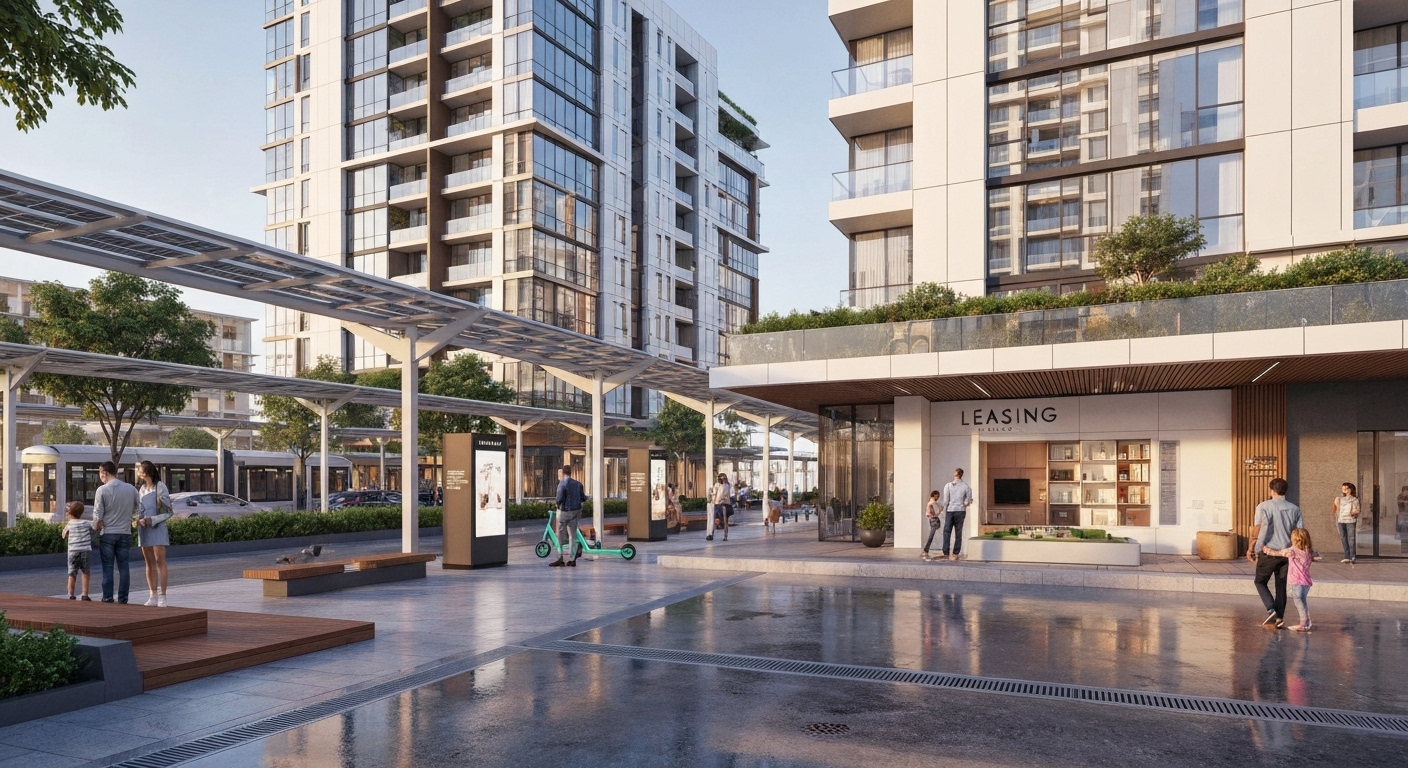
The rental market landscape of 2025 is poised for significant transformation as new supply streams into markets worldwide. For tenants considering their next move or lease renewal, understanding these emerging dynamics will be crucial for making informed housing decisions and securing competitive rates.
Understanding the Supply-Demand Dynamics in the 2025 Rental Market
The fundamental forces shaping the 2025 rental market revolve around a carefully balanced equation of supply and demand. Unlike previous years, where supply shortages drove dramatic rent increases, 2025 presents a more nuanced picture. New construction completions are creating pockets of increased inventory, while demand continues to evolve with changing work patterns and demographic shifts.
Market analysis reveals that absorption rates in key urban centers remain healthy, indicating that demand is keeping pace with new supply. However, this balance varies significantly by location and property type. Premium developments continue to see strong uptake, while mid-market segments are experiencing the most noticeable impact from increased inventory levels.
Key Factors Driving New Rental Supply in 2025
Several converging factors are accelerating new rental supply delivery in 2025. Developers who initiated projects during the post-pandemic recovery period are now bringing properties to market, creating a wave of fresh inventory. Infrastructure investments, particularly in transportation and connectivity, have unlocked previously less accessible areas for residential development.
The construction pipeline shows developers are increasingly focusing on purpose-built rental properties rather than traditional for-sale developments. This shift reflects growing recognition of rental demand from both young professionals and those seeking flexibility in an evolving economy. Energy-efficient designs and integrated technology features are becoming standard in new developments, addressing tenant priorities for sustainability and convenience.
Will Lower Rents Be a Universal Reality or a Localized Trend?
The impact of new supply on rent prices will not be uniform across all markets. Urban centers experiencing the most significant new development activity are likely to see the greatest downward pressure on rental rates. However, submarkets with limited land availability or strict development regulations may continue experiencing upward price trends despite broader supply increases.
Geographic analysis suggests that areas near infrastructure expansions and transportation hubs will see the most pronounced effects. Properties in established neighborhoods with minimal new construction may actually benefit from increased demand as tenants seek alternatives to higher-priced new developments.
Strategies for Tenants to Capitalize on a Potential Renter’s Market
Smart tenants can leverage emerging market conditions through strategic timing and negotiation approaches. Consider exploring developments offering flexible payment terms, such as monthly rental options that are becoming more accessible as landlords compete for quality tenants. Focus on properties with comprehensive amenities included in rent to maximize value.
Building relationships with property managers and staying informed about upcoming completions can provide early access to competitive offerings. Tenants should also evaluate energy-efficient properties for long-term utility savings, as these features become increasingly valuable in cost-conscious decision-making.
Navigating Lease Renewals and New Apartment Searches in 2025
For current renters, lease renewal negotiations present new opportunities in 2025’s evolving market. Armed with knowledge of increased supply and competitive alternatives, tenants can approach renewals from a position of strength. Research comparable properties in your area, including new developments, to support negotiation positions.
When apartment hunting, prioritize locations with strategic connectivity to minimize transportation costs while accessing broader housing options. The controlled release of new developments in many markets is supporting both affordability and gradual value appreciation, creating opportunities for tenants to secure quality housing at competitive rates.
Beyond 2025: Long-Term Outlook for Rental Affordability and Supply
Looking ahead, the rental market trajectory suggests continued evolution toward tenant-favorable conditions. Development pipelines indicate sustained construction activity, particularly in purpose-built rental segments. This ongoing supply addition, combined with demographic trends and evolving work patterns, points to a more balanced rental market.
The integration of technology and sustainability features in new developments is setting new standards for rental properties, potentially creating pressure for older buildings to upgrade or adjust pricing competitively. This dynamic could further expand tenant options and bargaining power.
Expert Predictions: What Leading Real Estate Analysts Say About 2025 Rents
Industry analysis indicates optimism for rental market balance in 2025. Real estate professionals project that carefully managed new supply, combined with sustained demand, will create stable conditions favoring both tenants and property owners. The focus on quality developments with distinctive features suggests that while overall supply increases, premium options will maintain their value proposition.
Market observers emphasize that successful tenant strategies will involve staying informed about local supply additions and timing moves to coincide with new completions when landlords are most motivated to attract quality residents.