


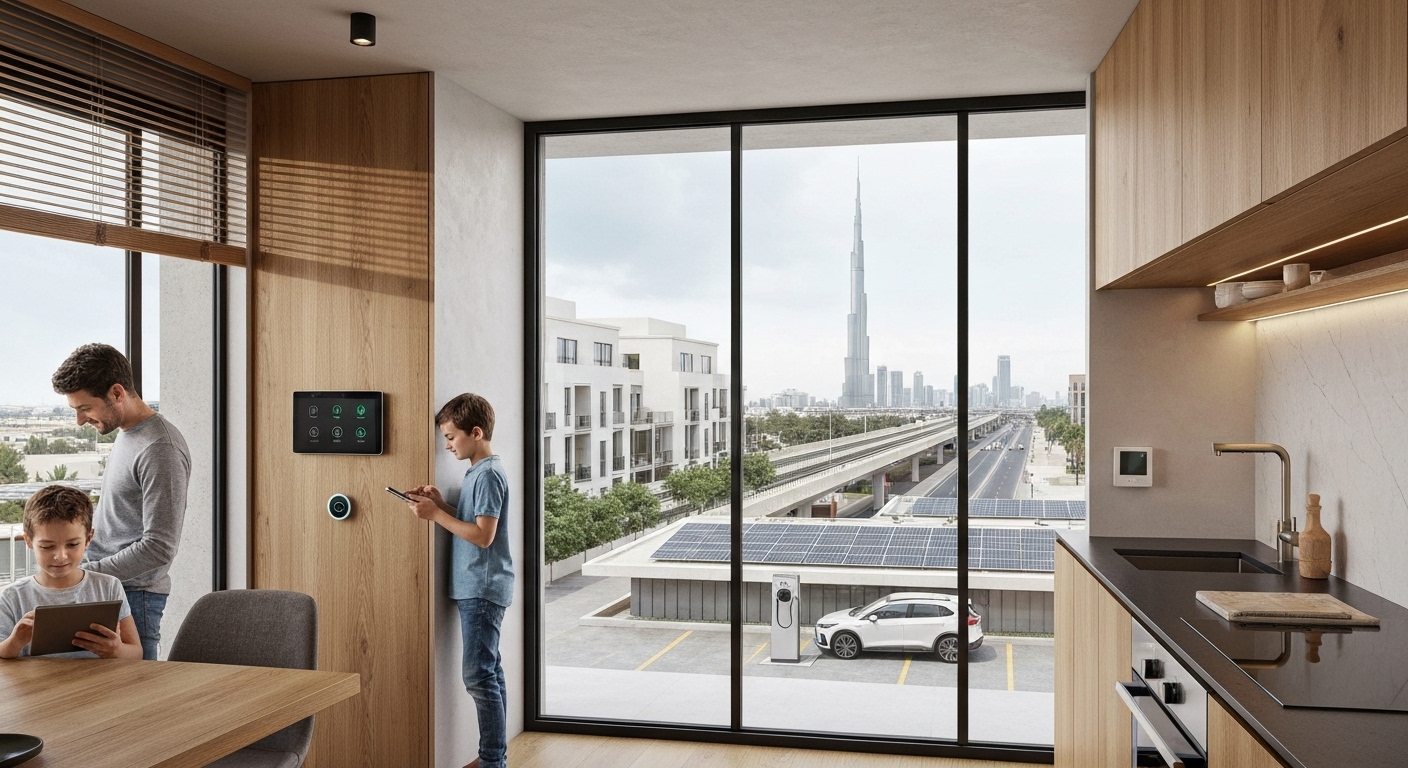
Dubai’s real estate landscape is experiencing a revolutionary shift as smart home technology becomes increasingly accessible across affordable housing segments. This transformation is redefining what prospective buyers and investors can expect from budget-conscious property investments in 2025 and beyond.
What Defines a Smart Home in Dubai’s Affordable Market?
Smart homes in Dubai’s affordable sector integrate essential automation technologies without compromising budget constraints. These properties feature energy-efficient automatic lighting systems, water conservation technology, and basic home automation controls that enhance daily living while reducing utility costs. Unlike luxury smart homes with extensive IoT ecosystems, affordable smart properties focus on practical features that deliver immediate value to residents.
Key characteristics include programmable lighting, smart climate control, integrated security systems, and water-saving fixtures. Developers are increasingly incorporating LED lighting facades and energy-efficient systems as standard features rather than premium upgrades, making smart technology accessible to a broader demographic of buyers.
Why the Surge? Driving Factors Behind Dubai’s Affordable Smart Home Boom
The surge in affordable smart homes stems from converging market forces. Dubai’s Vision 2071 sustainability goals drive developers to integrate eco-friendly technologies as standard practice. Government incentives for energy-efficient construction encourage builders to adopt smart systems, reducing overall development costs that can be passed to buyers.
Additionally, rising utility costs make energy-efficient features attractive to cost-conscious buyers. Young professionals and expatriate families increasingly prioritize technology integration as essential rather than luxury, creating market demand for accessible smart solutions. The competitive developer landscape has fostered innovation in delivering smart features at lower price points.
Key Technologies and Features in Budget-Friendly Smart Homes
Budget-friendly smart homes in Dubai typically incorporate energy-efficient automatic lights, water conservation systems, and basic security automation. Advanced LED lighting systems with programmable controls reduce electricity consumption while providing convenience. Smart thermostats and climate control systems optimize energy usage, significantly impacting monthly utility bills.
Water conservation technology includes smart fixtures that monitor and reduce consumption without sacrificing comfort. Basic security features often encompass smart door locks, integrated alarm systems, and mobile app connectivity for remote monitoring. Some developments include solar energy integration and smart meter systems that provide real-time consumption data to residents.
Projects like Viewz demonstrate how developers integrate sustainable smart features with environmentally friendly design, creating LED lighting facades and energy-efficient systems as core property features rather than optional upgrades.
Investment Potential: Are Affordable Smart Homes in Dubai a Smart Buy for 2025?
The investment case for affordable smart homes appears compelling for 2025. These properties typically command higher rental yields due to reduced utility costs and enhanced tenant appeal. Smart features contribute to property appreciation, as technology integration becomes increasingly expected rather than exceptional.
Market maturity in Dubai’s real estate sector provides diverse investment options across price segments while maintaining strong ROI potential. Affordable smart homes, often located in emerging neighborhoods with strategic connectivity, offer significant growth potential as infrastructure development continues.
The combination of government sustainability initiatives, rising utility costs, and growing tenant preferences for smart features creates favorable conditions for long-term value appreciation in this segment.
Challenges and Opportunities in the Evolving Smart Home Landscape
The primary challenge lies in balancing technology integration costs with affordability targets. Developers must carefully select which smart features provide maximum value without inflating purchase prices beyond target demographics. Maintenance and upgrade requirements for smart systems also present ongoing considerations for property owners.
However, opportunities abound as technology costs decrease and integration becomes more streamlined. The growing emphasis on sustainability aligns smart home features with broader environmental goals, potentially qualifying properties for green building certifications and related incentives.
The Future Outlook: What to Expect from Dubai’s Smart Home Sector Beyond 2025
Beyond 2025, Dubai’s smart home sector will likely see deeper integration of sustainable technologies and enhanced connectivity features. Energy-efficient systems, solar integration, and advanced automation will become standard across all price segments. The emphasis on environmental consciousness and rising utility costs will continue driving demand for smart, sustainable living solutions.
The convergence of affordability and technology positions Dubai’s smart home market for sustained growth, offering compelling opportunities for both end-users seeking enhanced living experiences and investors targeting long-term value appreciation in the evolving urban landscape.