


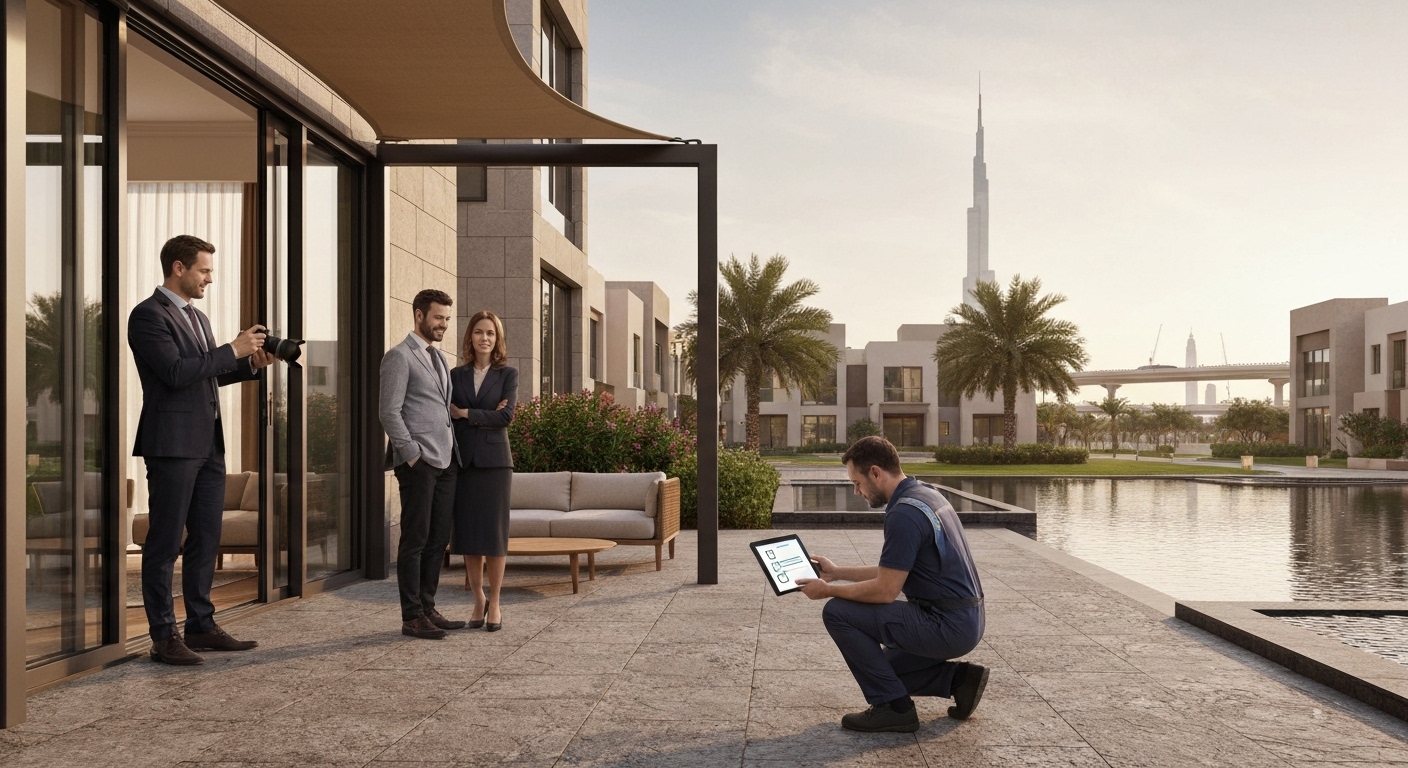
If you are wondering, “Dubai furnished apartment wear and tear what is landlord responsible for?” you are not alone. Tenants and landlords across Dubai often face uncertainty regarding maintenance obligations, especially in furnished rentals. In this guide, we clarify who is responsible for wear and tear and damages in Dubai’s furnished apartments, offering examples and practical insight to help both parties avoid costly disputes.
Understanding ‘Wear and Tear’ vs. ‘Damage’ in Dubai Rental Properties
The first step toward clarity is understanding the difference between “wear and tear” and actual “damage,” especially for furnished apartments. Normal wear and tear refers to the gradual deterioration that inevitably occurs from regular apartment use—this may include minor scuffs on floors, faded upholstery from sunlight, or slight loosening of cabinet handles. In Dubai, furnishings and appliances supplied by the landlord are expected to show some age and minor signs of use after a tenancy.
By contrast, damage means avoidable harm due to misuse or neglect, such as deep scratches on tables, stained sofas, broken furniture, or appliances ruined through improper use. It’s important for both tenants and landlords to distinguish between these two, since it directly determines financial responsibility during tenancy and when settling the security deposit.
Landlord Responsibilities for Furnished Apartment Maintenance in Dubai
Landlords in Dubai have a core duty to offer a safe, livable, and properly maintained home at move-in. For furnished apartments, this includes ensuring all furniture, appliances, and décor supplied are in good working order. The average cost to fully furnish a one-bedroom apartment in Dubai is about AED 45,000, reflecting the quality and value of items landlords are responsible for maintaining.
Landlords must fix reasonable wear and tear as part of routine upkeep. This covers:
- Replacing worn-out furniture or cushions due to normal use
- Servicing appliances that fail from routine operation, not tenant misuse
- Refreshing paint that has faded naturally over time
- Addressing minor repairs needed due to age, like loose handles or natural fabric fading
However, landlords are not responsible for repairs needed due to tenant-caused damage, such as burns on the sofa, ripped curtains, or broken appliances from overloading. If a dispute arises about the nature of damage at move-out, clear documentation and a thorough inventory checklist are essential.
Example Scenario: Practical Incident
For example, if a tenant moves into a Dubai Marina furnished apartment where the living room sofa is four years old and its fabric grows threadbare from reasonable use, the landlord would be expected to refresh or replace it. If the tenant stains the sofa with paint or cuts the fabric, liability shifts to the tenant.
Tenant Responsibilities and How to Avoid Disputes in Furnished Apartments
Tenants are required to treat the landlord’s furnishings with care and to promptly report any issues that might lead to greater damage. They pay for repairs or replacements only if damage results from negligence, intentional mishandling, or failure to notify the landlord about issues early on.
Best practices for tenants include:
- Reading the tenancy contract carefully for specific furnished apartment clauses
- Using move-in and move-out checklists to record furniture condition
- Reporting maintenance issues as soon as they arise
- Leaving the apartment in the same state as received, minus fair wear and tear
Proactive communication, documented with photos and written records, is the tenant’s best defense against unfair damage claims. Dubai’s tenancy law supports fair deposit handling, ensuring deductions reflect only genuine tenant-caused damage.
The Role of Tenancy Contracts and the Ejari System in Dubai
Every rental in Dubai, especially for furnished properties, involves a legally binding tenancy contract and mandatory registration with the Ejari system. This documentation spells out responsibilities for both sides.
Key contract clauses typically cover:
- Expected use and care of supplied furnishings
- Clauses outlining wear and tear vs. tenant liability
- Deposit terms, including allowable deductions
Registering the contract with Ejari is not just a formality—it is essential for resolving disputes, filing official complaints, and protecting both landlord and tenant rights in the Dubai rental market.
Practical Tips for Documenting Property Condition (Move-In and Move-Out)
Thorough documentation is the most effective way to protect interests on both sides. Here’s how tenants and landlords should proceed:
- At move-in, complete a detailed inventory of all furnishings, taking date-stamped photos and noting existing flaws.
- Both parties should sign an agreed checklist, which becomes the reference point at move-out.
- At move-out, repeat the inspection together, comparing the current condition with the move-in report.
- Keep copies of all reports, emails, and communications regarding repairs or damage.
These steps are particularly important in Dubai’s prime neighborhoods like Downtown, Jumeirah Lakes Towers, and Business Bay, where furnished apartments represent a significant investment.
Resolving Disputes: Steps for Tenants and Landlords in Dubai
If a disagreement arises over deposit deductions or maintenance responsibility, tenants and landlords have several options:
- Refer to the tenancy contract and documented checklists.
- Attempt amicable resolution by discussing specifics backed by photos and reports.
- If unresolved, contact the Rental Disputes Center in Dubai for mediation or legal recourse.
Professionalism and preparedness typically lead to quicker, less costly dispute resolution.