


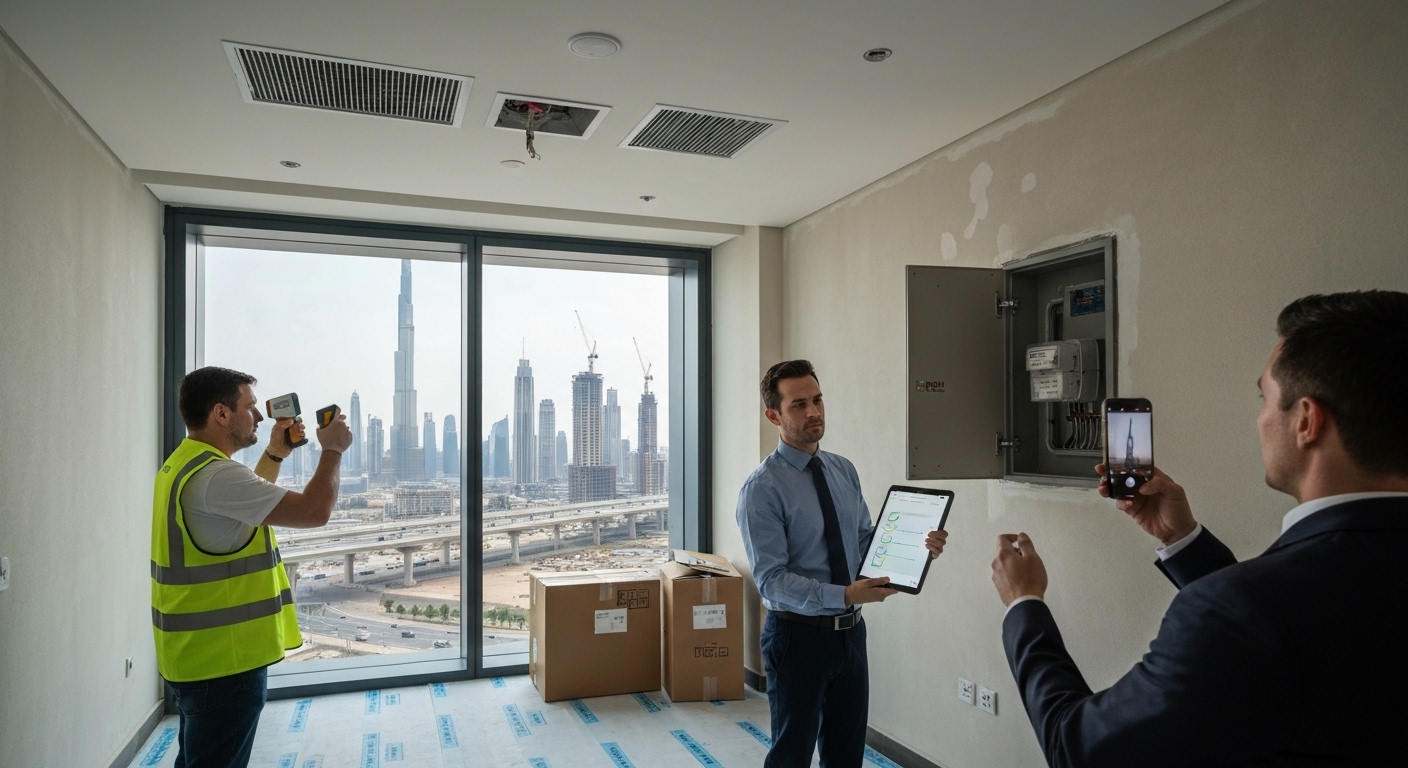
If you are searching for the process for getting a property handover report in Dubai, you are likely an investor or new homeowner eager to ensure a smooth transition. This article will walk you through the essential steps, clarify what a handover report is, and highlight what to expect from the Dubai real estate handover process so you can take possession of your new property with confidence.
Understanding the Property Handover Report in Dubai: What is it?
A property handover report in Dubai is an official document provided at the point where a real estate developer formally transfers a property to the buyer. This report serves as a detailed record of the unit’s condition, any outstanding issues (commonly referred to as “snags”), and the final verification that the property meets all contractual and regulatory standards. The handover report is not just a checklist—it is an assurance for both parties that the asset’s handover is complete, transparent, and in compliance with Dubai’s laws.
Handover reports are especially relevant given the scale of deliveries in communities like Dubailand and Jumeirah Village Circle, which together account for a substantial portion of new home transfers each year. These reports provide legal grounds for resolving disputes and protect the rights of both buyer and seller.
The Step-by-Step Process for Obtaining Your Property Handover Report
Understanding the process for obtaining your property handover report in Dubai ensures you avoid delays and unexpected pitfalls. Here’s what you need to know:
1. Notification from Developer
The developer notifies you (the buyer) that your property is ready for handover. This typically follows completion of construction and all regulatory approvals. In Dubai, the market regularly sees a surge in handovers after major infrastructure milestones, particularly in affordable to mid-market segments.
2. Settle Final Payments and Fees
Before the handover, you must ensure all outstanding balances are settled, including the final installment of the purchase price, service charges, and any Dubai Land Department (DLD) fees. Payment confirmation is crucial for moving forward.
3. Property Inspection & Snagging
Once payments are settled, you’re invited to inspect the property. This is your chance to conduct snagging-reviewing the unit for any defects in finishes, fittings, or systems. Developments in neighborhoods like Dubailand often see high volumes of snagging appointments due to the large number of handovers.
4. Documentation Submission
Provide all mandatory documents to the developer and DLD. Typically required are:
- Proof of payments
- Emirates ID and passport copy
- No Objection Certificate (NOC) from your bank (if mortgaged)
- Sales and Purchase Agreement (SPA)
5. Handover Report Issuance
After successful inspection and document submission, the handover report is generated. This document details the property’s state, lists any unresolved issues for post-handover resolution, and is signed by both parties.
6. Title Deed Transfer
The last stage involves the official transfer of the title deed at the DLD. With your handover report, all payments, and documents in order, this step finalizes your status as legal owner.
Key Documents Required for a Smooth Property Handover in Dubai
To streamline the handover process, ensure you have these core documents prepared:
- Original and copies of your Emirates ID and passport
- Signed Sales and Purchase Agreement (SPA)
- All payment receipts or bank statements showing cleared dues
- DLD registration and payment receipts
- No Objection Certificate (if property is mortgaged)
- Proof of utility connections and, if applicable, maintenance/service charge clearance
Having these documents ready will reduce the risk of delays and help prevent last-minute complications.
Essential Checks: What to Look for During Your Property Inspection (Snagging)
A thorough inspection is key to a seamless handover. During the snagging phase, focus on:
- Walls, floors, and ceilings for any cracks or imperfections
- Doors, windows, and locks for full functionality
- Plumbing and electrical systems
- AC units, fixtures, and built-in appliances
- Finishes, paintwork, and joinery
Document any issues; these must be listed in the handover report for the developer to address, either before or shortly after the handover.
Navigating Potential Challenges and Resolving Issues During Handover
Common challenges include delays in final payment processing, missing documents, or discovering unexpected defects. Proactive communication with your developer and keeping a record of all correspondence is vital. If major snags exist, negotiate a timeline for rectification and have it formally included in the handover report. Dubai’s legal framework protects buyers’ rights, so leverage this if developers do not cooperate in resolving outstanding issues.
Understanding Handover Costs and Fees in Dubai
Handover costs often include final installments, DLD title transfer fees (typically 4% of the property price), service charges for the current year, and utilities connection fees. Actual costs may vary depending on location, property type, and developer policies.
Post-Handover Checklist: Securing Your New Dubai Property
Once the handover is complete and you have your report, immediately:
- Change all access codes and locks
- Register with utility providers for DEWA (Dubai Electricity & Water Authority)
- Inform building management of your occupancy
- Review community guidelines and any applicable homeowners’ association rules
Maintaining your property and handling any snag resolution claims in the initial period ensures long-term satisfaction.
In summary, the process for getting a property handover report in Dubai involves inspections, paperwork, legal checks, and thorough communication with your developer. Following these steps will help secure your investment and pave the way for a smooth transition.