


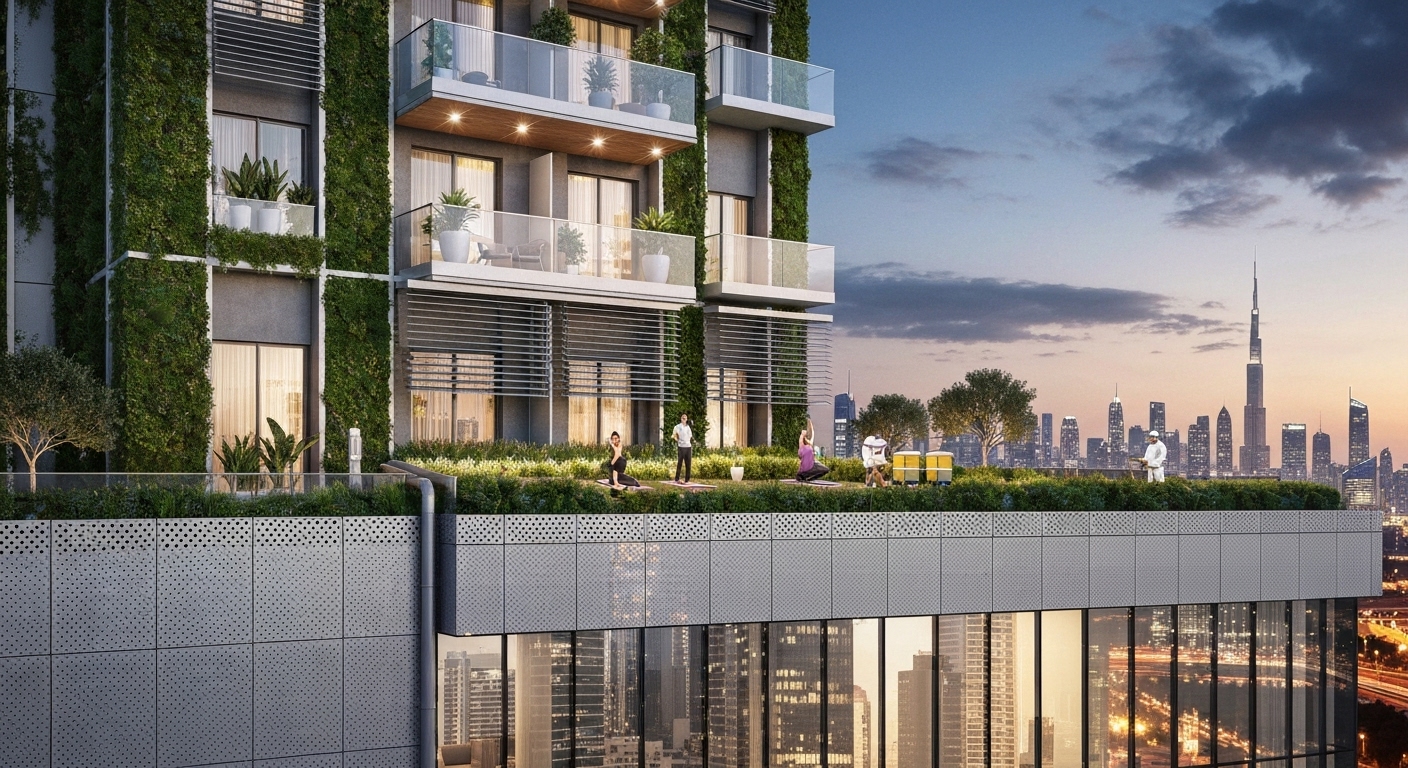
Dubai continues to set benchmarks in real estate, prompting many to ask: are there green building ratings like LEED for residential towers in Dubai? The answer is yes—Dubai offers both international and region-specific green building certifications for residential towers. This guide explores how these green ratings work, what makes Dubai’s approach unique, and why sustainable certifications matter to residents and property investors.
Understanding Green Building Certifications: Beyond LEED
The Leadership in Energy and Environmental Design (LEED) certification, established by the U.S. Green Building Council, is one of the world’s most recognized green rating systems. LEED assesses buildings for energy efficiency, water conservation, sustainable materials, indoor environmental quality, and innovative design. Residential towers in Dubai, including those by major developers, often pursue LEED certification to align with global best practices.
However, LEED is not the only green certification relevant to Dubai. The city has developed region-specific standards that address local climate and environmental needs more precisely. These certifications ensure developments meet stringent sustainability benchmarks while providing tangible benefits for residents and investors.
Key Green Building Ratings for Residential Towers in Dubai
In addition to LEED, Dubai’s real estate market recognizes several key green building ratings:
– Dubai Green Building Regulations (DGBR): All new developments in Dubai must comply with these mandatory codes. The regulations set minimum standards for energy and water conservation, responsible material choices, and improved air quality. Residential towers that meet DGBR are designed to be more efficient, reducing utility costs for owners and tenants.
– Estidama Pearl Rating System: Originally developed in Abu Dhabi, Estidama’s Pearl system is increasingly considered in Dubai, especially for projects targeting regional sustainability recognition. The Pearl system evaluates the environmental impact of buildings, rewarding resource-efficient design and construction.
– Other International Certifications: Some developments in Dubai seek BREEAM (Building Research Establishment Environmental Assessment Method) or WELL Certification, particularly for projects targeting international investors who are familiar with these global ratings.
Developers often adopt a mix of certifications to appeal to the broadest group of potential buyers and to comply with both local and international expectations.
Dubai’s Commitment to Sustainability: Local Initiatives and Regulations
Dubai’s leadership has made sustainability a core part of the city’s future. The Dubai 2040 Urban Master Plan prioritizes green spaces, sustainable transport, and low-carbon buildings. The Dubai Municipality enforces green building codes for all new residential and commercial developments, focusing on improving insulation, energy-efficient lighting, water-saving fixtures, and the use of non-toxic materials.
Initiatives like the Dubai Clean Energy Strategy underscore the city’s aim to position itself as a global model for smart, green, and sustainable urban environments. These policies have propelled the widespread adoption of energy management systems, solar installations, and eco-friendly construction materials across new residential towers.
Example: Identifying Green Residential Towers
Prospective residents and investors should look for several key features when considering a green-certified tower in Dubai:
– Energy-efficient HVAC and lighting systems
– Low-flow plumbing fixtures reduce water use
– Outdoor spaces designed with native plants
– Waste reduction practices during construction
RERA disclosures and marketing materials from developers often indicate specific certifications. If a building lists LEED, Pearl, or compliance with DGBR, you can expect lower running costs, better indoor environments, and higher long-term asset values.
The Benefits of Living in a Green-Certified Residential Tower
Choosing a green-certified residential tower in Dubai delivers several advantages:
– Lower Operating Costs: Energy and water efficiency translate to reduced monthly utility bills, benefiting both residents and landlords.
– Healthier Living Environments: Enhanced air quality and low-toxin materials improve resident well-being—an important consideration for families and those with health concerns.
– Higher Property Values: Sustainable homes often command a premium on resale and attract tenants more quickly in Dubai’s competitive market.
– Future-Proof Investments: Sustainable towers are built to comply with evolving regulations, minimizing the risk of regulatory non-compliance or expensive retrofits later.
Danube Properties’ Vision for Sustainable Residential Developments: Our Approach
Danube Properties recognizes the importance of environmental responsibility. As part of our commitment to Dubai’s sustainability vision, we integrate green building practices in our residential projects. Our developments are designed to comply with Dubai’s green building regulations and incorporate resource-efficient systems that help optimize living standards for residents while providing long-term value for investors. By prioritizing both local and international green ratings, we ensure our communities match the city’s sustainability ambitions.
Future Trends in Sustainable Residential Living in Dubai
As Dubai accelerates its sustainability strategy, expect to see new towers with advanced energy management, solar integration, and smart home technologies. Green building certifications—both local and international—will become standard for new residential developments, positively impacting property values and enhancing the quality of urban life.
In summary, green building ratings like LEED, as well as robust local systems such as Dubai’s Green Building Regulations and the Pearl Rating System, are shaping the future of residential towers throughout Dubai. For investors and residents alike, these certifications represent not only eco-friendly credentials but also smart choices for health, cost-savings, and long-term property value.