


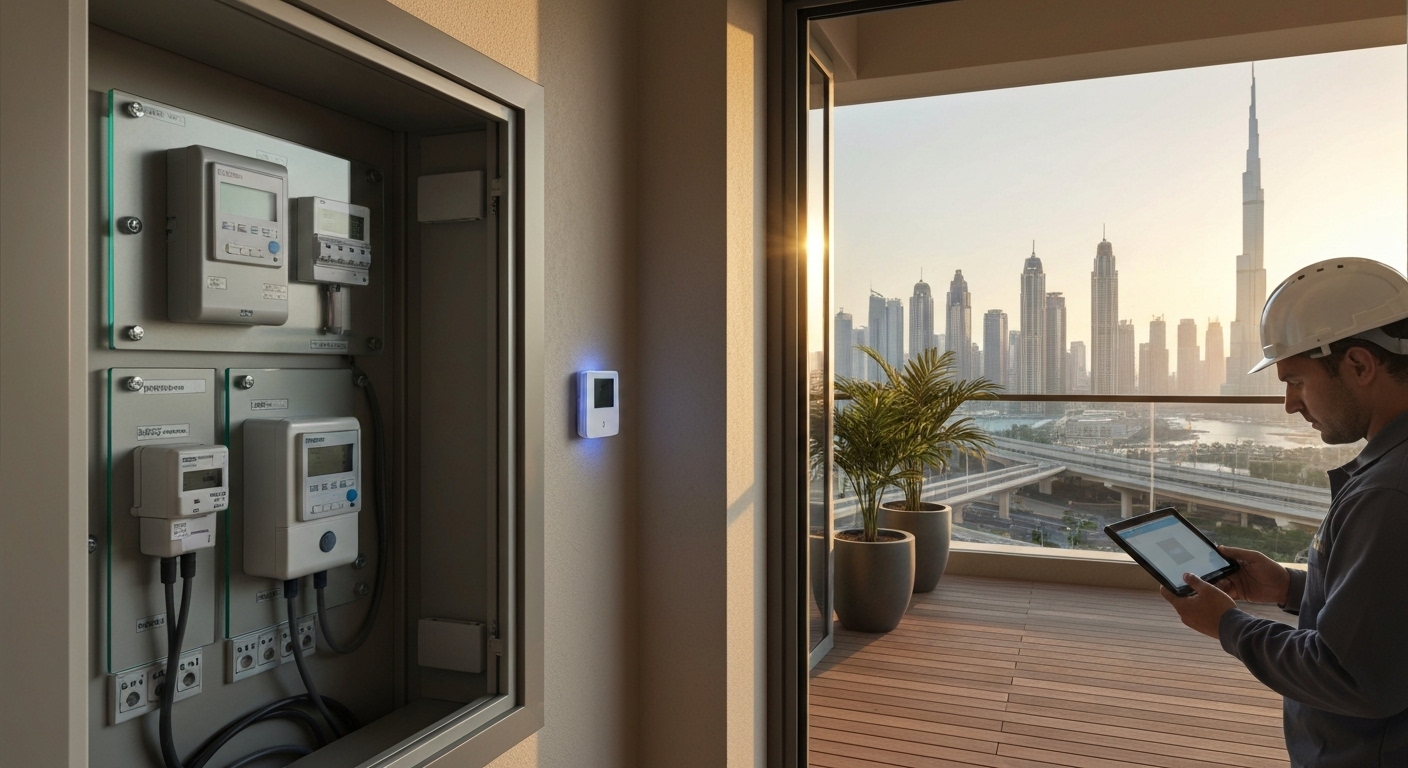
Understanding the DEWA slab system is crucial for anyone living in, investing in, or managing Dubai apartments. If you’re wondering how the DEWA slab system works for apartments in Dubai, this guide answers your question clearly, helping residents, investors, and property agents plan for utility costs efficiently.
Understanding the DEWA Slab System: What It Is and Why It Matters
The Dubai Electricity and Water Authority (DEWA) uses a slab tariff system to structure how electricity and water charges are calculated for all households, including apartments. The slab system means that your per-unit cost increases as your consumption rises, segmented across “slabs” or tiers based on your usage level. This approach encourages responsible consumption and impacts both monthly budgets and long-term returns for residents and investors in Dubai’s apartment market.
For apartment dwellers in popular neighborhoods like JVC, Al Barsha, or Business Bay, understanding these slabs is essential. The system is tailored both for those living in studios and one-bedrooms as well as families in larger units. If you exceed certain thresholds, your monthly utility bill can rise quickly — a key factor to consider when assessing the total cost of living or the net returns on an investment property.
Detailed Breakdown of DEWA Electricity Slab Tariffs for Apartments
DEWA’s electricity tariffs for apartments are structured into multiple slabs based on monthly kilowatt-hour (kWh) consumption. At lower usage levels, residents pay the base rate per kWh. Once you cross a specific threshold, the rate per unit increases. Here’s how it typically works:
- First slab: Covers the lowest kWh consumption band (often up to a set monthly kWh). This is the most affordable per-unit cost.
- Second slab and beyond: As consumption grows past each slab’s limit, higher rates per kWh apply.
For a studio apartment in Dubai, typical monthly electricity usage may fall within the first slab, minimizing costs. Larger apartments or those with higher AC usage — especially in summer months — risk moving into higher tariffs. For example, a three-bedroom with multiple residents can easily move into the third or fourth slab without energy-efficient habits.
It’s important for property investors to keep these thresholds in mind, as higher tariffs can impact rental yields and tenant satisfaction in communities where air conditioning or appliance use is significant.
Decoding DEWA Water Slab Tariffs: A Guide for Apartment Residents
Similar to electricity, DEWA water charges are also divided into slabs. The model is designed so that those who use less water pay a lower rate per unit. As with electricity, exceeding the basic consumption bands leads to higher per-gallon charges.
- Basic tier: Ideal for singles or couples in one-bedroom apartments, monthly consumption typically remains within this band with modest water use.
- Higher tiers: Families, or frequent usage (e.g., regular laundry, multiple showers daily), will push bills higher as they cross into additional slabs.
This system makes water conservation not just environmentally sound, but financially savvy for Dubai apartment residents. In communities like Dubai Marina or Downtown, where lifestyle expectations may push usage up, extra attention to habits can make a noticeable difference in monthly DEWA bills.
Example: Calculating DEWA Costs for Different Apartment Sizes
Consider a single professional in a studio in Al Furjan, using basic electricity (mostly AC, lighting, minimal appliances) and typical water usage. Their bill may remain firmly in the lowest slab each month. In contrast, a family of four in a three-bedroom unit in Discovery Gardens may regularly exceed the basic slabs, especially in peak summer. Monitoring and managing usage is vital to control costs and maximize investment returns.
Beyond the Slabs: Additional DEWA Charges and Fees for Dubai Apartments
While slabs dictate the main portion of your bill, DEWA applies additional fixed charges and regulatory fees. These can include a monthly service fee, fuel surcharge, and municipality fee. Each one increases your net bill, so be sure to account for these when estimating running costs for an apartment — whether you’re evaluating a move to a new building or assessing an investment’s net yield.
How to Estimate and Manage Your DEWA Bill in a Dubai Apartment
To estimate your bill, review your past usage or ask for typical consumption patterns from similar units in your building. Use DEWA’s calculator to input typical kWh and gallon use for your apartment size. Proactive management — such as upgrading to LED lights, maintaining AC units, and practicing efficient water use — can keep your bills in the lowest slab brackets.
Practical Tips to Reduce Your DEWA Consumption in Apartments
- Set AC temperatures to 24°C or above, and use timers.
- Turn off lights and electronics when not in use.
- Run washing machines and dishwashers with full loads.
- Choose water-saving fixtures and fix leaks immediately.
- In communities with central cooling, understand if chilled water is billed separately — this can affect your strategy.
DEWA for New Residents: Activation, Deposits, and Important Considerations
Activating a DEWA account as a new resident in Dubai is straightforward. Prepare to pay an activation fee and a refundable deposit, which varies by apartment size and type. Having the Ejari (rental contract) and Emirates ID on hand speeds up the process. Account for a short setup period and budget for initial deposits.
In summary, understanding how the DEWA slab system works for apartments in Dubai allows residents and investors to plan for true living costs, optimize efficiency, and protect investment returns.