


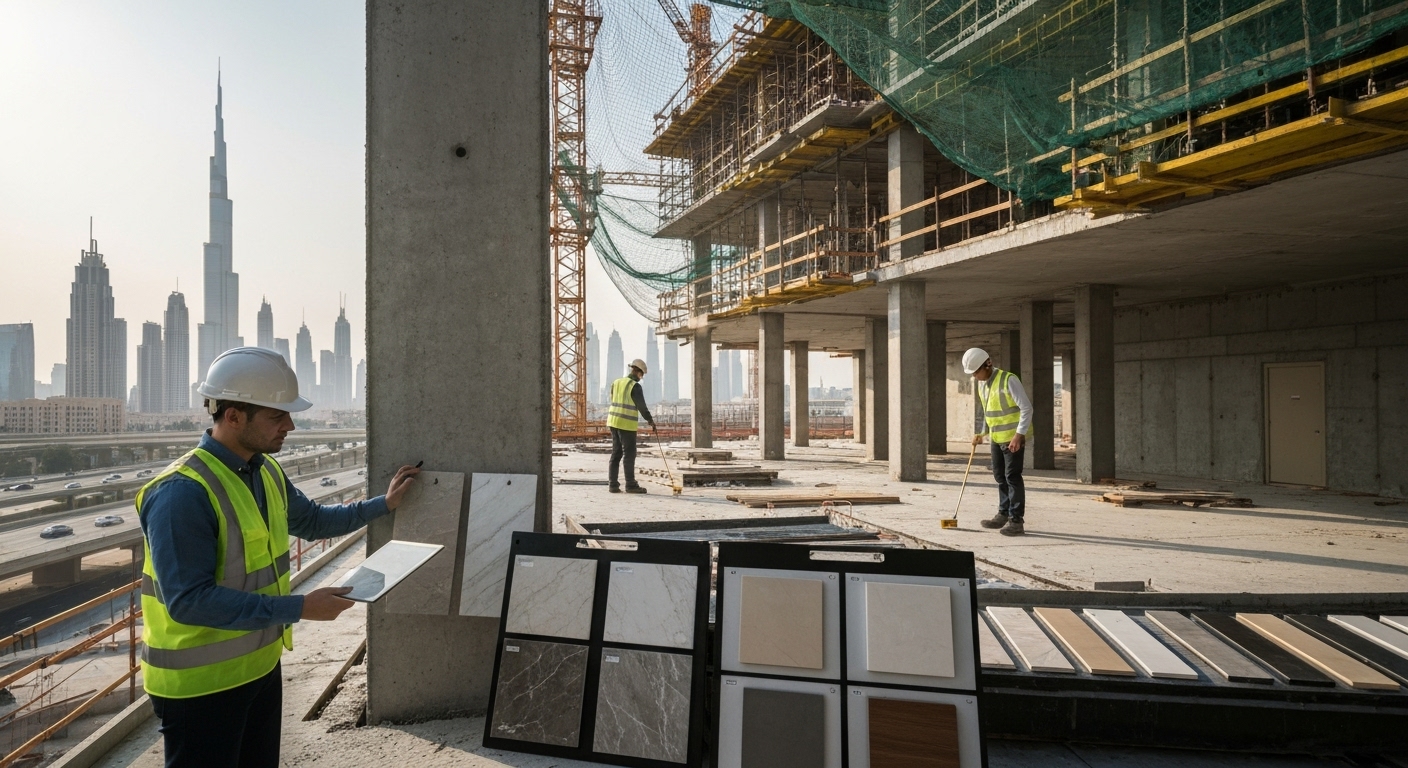
Purchasing an off-plan property represents one of Dubai’s most lucrative investment opportunities, yet it demands scrutiny of a developer’s construction quality credentials. Without a physical property to inspect, prospective buyers must employ strategic assessment methods to mitigate risks and ensure their investment delivers the promised standards.
Understanding the Unique Challenges of Off-Plan Construction Quality
Off-plan purchases present inherent complexities that differentiate them from ready properties. Buyers commit to a vision based on architectural renders, sample units, and developer promises, making quality assessment particularly challenging. The Dubai market has witnessed instances where build quality varies significantly, especially in projects with compressed timelines or aggressive delivery targets. Construction delays, shifting payment milestones, and changes in project scope can impact both timelines and final product quality, making thorough due diligence essential for protecting your investment.
Beyond Reputation: Key Indicators of a Developer’s Commitment to Quality
While reputation matters, savvy investors look deeper into tangible quality indicators. Examine the developer’s material sourcing practices and supplier relationships. Established developers benefit from being part of larger building materials ecosystems, providing better control over supply chains and material standards. Review the developer’s completion track record – market data shows that tier-1 developers maintain an 87% on-time completion rate compared to only 41% for smaller developers, often reflecting their commitment to quality processes.
Analyze the developer’s portfolio diversity and scale. Companies managing multiple concurrent projects demonstrate operational maturity and resource allocation capabilities essential for maintaining consistent quality standards across developments.
Digging Deeper: Investigating Past Projects and Their Build Quality
Conduct thorough investigations of the developer’s completed projects. Visit showrooms and completed developments to assess finishing quality, attention to detail, and long-term maintenance standards. Speak with existing residents about their experiences, focusing on post-handover support, defect rectification, and overall satisfaction with build quality.
Examine public records and regulatory filings for any quality-related complaints or disputes. Research whether the developer has faced penalties or sanctions from regulatory bodies, as these can indicate systemic quality issues. Review completion certificates and occupancy permits for previous projects to understand the developer’s track record with regulatory compliance.
Leveraging Professional Expertise: Architects, Engineers, and Inspectors
Engage qualified professionals to assess the developer’s construction approach. Architectural consultants can review proposed building specifications, structural engineering plans, and material selections against industry best practices. Independent quantity surveyors can evaluate whether the pricing reflects quality materials and construction methods.
Consider hiring experienced inspectors familiar with Dubai’s construction standards to review the developer’s quality management systems and previous work. These professionals can identify potential red flags that may not be apparent to non-technical investors, providing valuable insights into construction methodology and quality control processes.
Contractual Safeguards: Ensuring Quality Through Your Purchase Agreement
Negotiate specific quality standards into your purchase agreement. Include detailed specifications for materials, fixtures, and finishes, with clear penalties for deviations from agreed standards. Establish milestone inspection rights allowing you to monitor construction progress and quality at key stages.
The 2025 Real Estate Regulatory Framework now mandates compensation of 1% of property value per quarter for delays exceeding six months, though developer contracts often contain force majeure clauses limiting this liability. Ensure your contract includes provisions for quality defects discovered during handover, with clear timelines for rectification and compensation mechanisms.
The Role of Regulatory Bodies in Overseeing Construction Standards
Dubai Land Department’s enhanced supervision and regulation framework provides additional buyer protection. The department’s improved transaction tracking and oversight capabilities support the emirate’s ambitions to become a global leader in real estate management and development. Understanding regulatory requirements helps assess whether developers comply with current building codes and safety standards.
Monitor regulatory announcements and policy changes that may impact construction standards. Developers working closely with regulatory bodies often demonstrate higher commitment to quality compliance, as evidenced by their participation in official registration systems and streamlined approval processes.
Post-Purchase Vigilance: Monitoring Progress and Addressing Concerns
Maintain active involvement throughout the construction process. Schedule regular site visits to monitor progress and quality, documenting any concerns with photographic evidence. Establish communication channels with the developer’s project management team to address issues promptly.
Consider joining or forming buyer groups for collective monitoring and advocacy. Shared oversight can identify systemic issues early and provide a stronger negotiating position for addressing quality concerns. Maintain detailed records of all communications and site observations to support any future claims or disputes.
By implementing these assessment strategies, off-plan buyers can significantly reduce quality-related risks while positioning themselves for successful property investments in Dubai’s dynamic real estate market.